 EN
EN

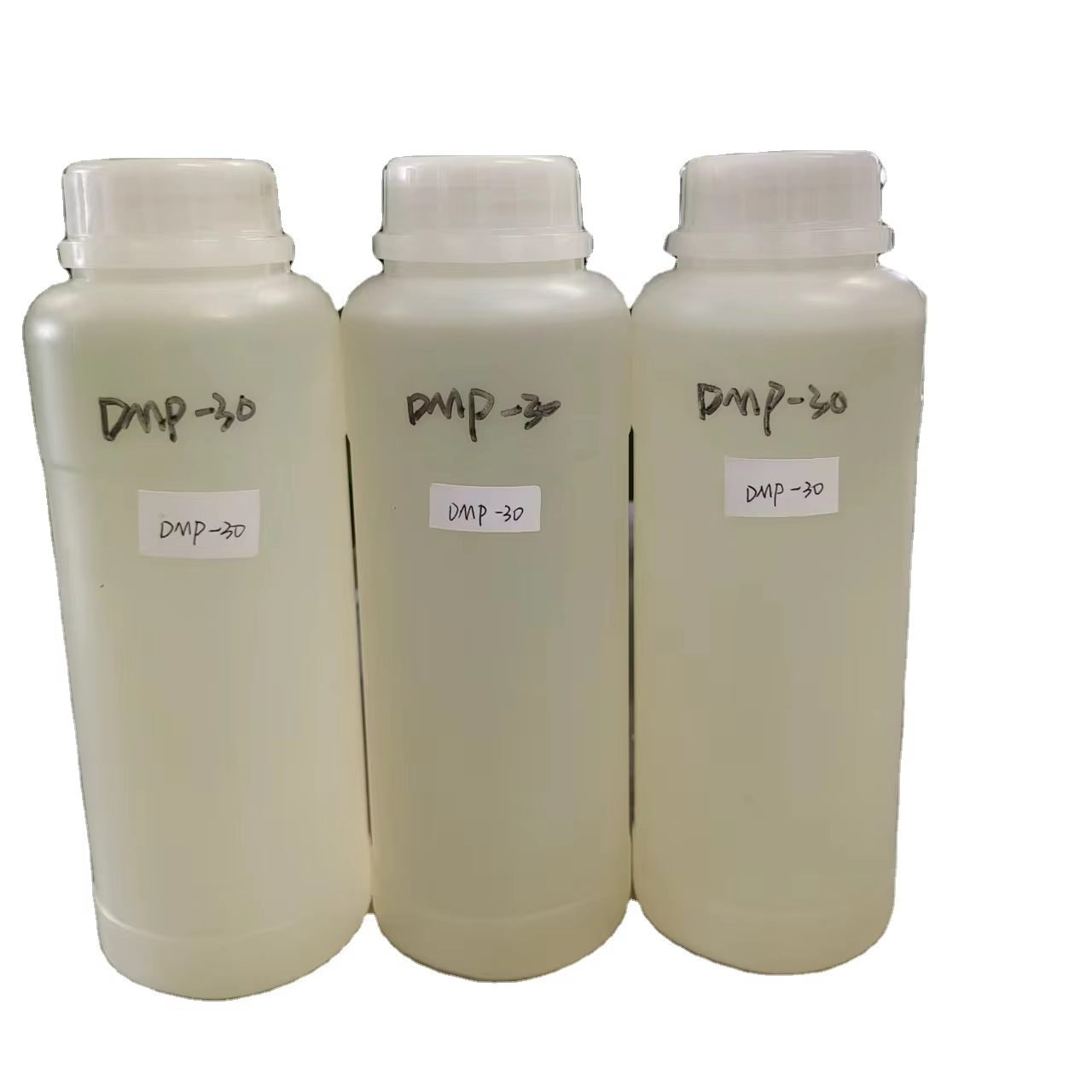
Dlaczego niskie temperatury utrudniają utwardzanie epoksydów – i dlaczego ma to kluczowe znaczenie w zastosowaniach polowych
Proces utwardzania epoksydów opiera się fundamentalnie na ruchliwości cząsteczkowej oraz częstości zderzeń cząsteczek – oba te czynniki są znacznie ograniczone w warunkach niskich temperatur. Poniżej 18°C kinetyka reakcji zwalnia wykładniczo; każdy spadek temperatury o 10°C może podwoić czas utwardzania (AstroChemical). Nie jest to jedynie uciążliwe – skutkuje to krytycznym pogorszeniem integralności konstrukcyjnej. Niepełne utwardzenie powoduje:
- Niską gęstość sieci krzyżowej : Zmniejszona formacja sieci polimerowej obniża wytrzymałość na rozciąganie nawet o 35%
- Słabe przyczepienie : Nieuutwardzone fragmenty nie tworzą wiązań z podłożem, zwiększając ryzyko odwarstwiania
- Wrażliwość na wilgoć właściwości hydrofobowe zmniejszają się o 40% przy nieoptymalnym utwardzaniu (ProPlate 2023)
Praca w terenie wiąże się z najróżniejszymi problemami. Gdy temperatura spada poniżej 10 stopni Celsjusza – co często ma miejsce na budowach, na pokładach statków lub wzdłuż rurociągów – czas utwardzania materiałów wydłuża się znacznie. To, co w normalnych warunkach trwa godziny, może teraz potrwać dni, co przesuwa całe harmonogramy projektów. Jeśli zaś zespoły próbują przyspieszyć te instalacje mimo wszystko, powstają problemy trwające przez wiele lat. Powłoki nie osiągające odpowiedniego stopnia utwardzenia z powodu niskich temperatur tracą około dwóch trzecich swojej odporności na uderzenia. Ma to ogromne znaczenie dla konstrukcji narażonych na cykle zamrażania i odmrażania lub regularnie stykających się z chemikaliami. Zmniejszona trwałość oznacza, że takie instalacje zaczynają się szybciej niszczyć niż przewidywano, czasem skracając swoją użyteczną żywotność o kilka lat. Dlatego akcelerator epoksydowy nie jest jedynie pożądaną opcją, lecz absolutnie niezbędnym elementem zapewnienia podstawowych wymagań jakościowych w sytuacjach, gdy nie możemy odpowiednio kontrolować warunków środowiskowych.
Jak akceleratory epoksydowe pokonują ograniczenia termiczne
Modyfikacja kinetyki reakcji: obniżenie energii aktywacji i przyspieszenie sieciowania
Akceleratory epoksydowe pomagają zwalczać te uciążliwe opóźnienia, które występują przy zbyt niskich temperaturach podczas utwardzania. Zasadniczo zmniejszają one ilość energii potrzebnej do połączenia się cząsteczek — według niektórych badań opublikowanych w ubiegłorocznym wydaniu „Polymer Chemistry Review” o około 40–60 procent. Co to oznacza? Cząsteczki mogą zaczynać tworzyć polimery nawet w niższych temperaturach niż zwykle. Kluczowym aspektem jest to, że te specjalne dodatki przyspieszają cały proces o około połowę w porównaniu do standardowych mieszanin, gdy temperatura spada poniżej 10 °C. Jeśli chodzi o to, co dzieje się wewnątrz materiału, akcelerator obniża barierę energetyczną, dzięki czemu sieć polimerowa nadal rozwija się bez przerwy, nawet jeśli niska temperatura utrudnia normalny ruch cząsteczek. Oznacza to lepszy rozwój struktury na całym etapie utwardzania, a nie tylko częściowe wiązanie.
Mechanizmy nukleofilowe vs. katalityczne: aminy trzeciorzędowe, imidazole oraz ukryte koakceleratory
Akceleratory chemiczne poprawiają wydajność w niskich temperaturach poprzez odmienne mechanizmy:
- Mechanizmy nukleofilowe , takie jak te wywoływane przez trzeciorzędowe aminy, atakują grupy epoksydowe, tworząc pośrednie produkty reakcyjne, które przyspieszają otwarcie pierścienia – szczególnie skuteczne w układach DGEBA
- Ścieżki katalityczne , na przykład imidazole, generują kompleksy zwitterionowe, które propagują wzrost łańcucha bez wbudowywania się w macierz polimerową
- Latentne koakceleratory , takie jak kompleksy trifluorku boru, pozostają obojętne, dopóki nie zostaną aktywowane termicznie – umożliwiając precyzyjną kontrolę momentu rozpoczęcia reakcji podczas stosowania
Katalizatory typu imidazol wykazują szczególną skuteczność w zastosowaniach przy niskich temperaturach, osiągając pełne utwardzenie w temperaturze 5 °C, podczas gdy konwencjonalne układy pozostają nietwardzone nawet po 72 godzinach ( Journal of Coating Technology, 2022 ). Takie rozszerzenie zakresu pracy zapewnia niezawodne klejenie i uszczelnianie w urządzeniach chłodniczych, budownictwie polarnym oraz konserwacji infrastruktury zimowej – bez konieczności stosowania ogrzewanych pomieszczeń.
Wybór odpowiedniego akceleratora epoksydowego do pracy w niskich temperaturach
Wybór optymalnego akceleratora epoksydowego do zastosowań w warunkach zimnych wymaga strategicznego dopasowania zarówno do chemii żywicy, jak i wymagań operacyjnych. Poniżej 10 °C niemodyfikowane układy mogą wymagać ponad 24 godzin na utwardzenie (Polymer Engineering Reports 2023), co czyni wybór akceleratora kluczowym dla wydajności prac terenowych.
Dopasowanie chemii akceleratora do układów żywica–utwardzacz (np. DGEBA, nowolaki) oraz wymagań eksploatacyjnych
Akceleratory oparte na aminach zazwyczaj zwiększają reaktywność żywic epoksydowych DGEBA (diglikidyloeter bisfenolu-A) poprzez mechanizmy nukleofilowe, podczas gdy żywice fenolowe typu nowolak często lepiej reagują na katalizatory imidazolowe. Należy przywiązywać szczególną wagę do zgodności chemicznej z podstawową formułą oraz czynnikami obciążającymi w użytkowaniu końcowym — w środowiskach morskich wymagane są akceleratory odporno na chlorki, natomiast w zastosowaniach lotniczo-kosmicznych priorytetem jest stabilność termiczna oraz niskie wydzielanie gazów.
Zrównoważenie czasu życia masy roboczej, szybkości utwardzania oraz końcowych właściwości mechanicznych poniżej 10 °C
Koncentracja akceleratora ma bezpośredni wpływ na tę triadę:
| Parametr | Wysokie obciążenie akceleratorem | Umiarkowane obciążenie |
|---|---|---|
| Szybkość utwardzania w temperaturze 5 °C | 2–4 godziny | 6–8 godzin |
| Czas pot-life | 15–20 minut | 40–50 minut |
| Wytrzymałość na rozciąganie | ok. 10% redukcji | Minimalna utrata |
Formułowicy muszą ocenić kompromisy: choć formuły szybko utwardzające umożliwiają budowę w zimie, nadmierne przyspieszenie może zmniejszyć gęstość sieci krzyżowej. Latentne koakceleratory pomagają złagodzić ten efekt dzięki stopniowej aktywacji, zachowując ponad 95% właściwości mechanicznych nawet w temperaturze 4 °C. W przypadku aplikacji krytycznych pod względem bezpieczeństwa zawsze należy zweryfikować zachowanie temperatury przejścia szklistego (Tg) za pomocą analizy DSC.
Często zadawane pytania
Dlaczego zimna pogoda wpływa na utwardzanie epoksydów?
Niskie temperatury zmniejszają ruchliwość cząsteczek i częstotliwość ich zderzeń, co prowadzi do spowolnienia kinetyki reakcji oraz pogorszenia integralności strukturalnej.
W jaki sposób akceleratory epoksydowe wspomagają proces w niskich temperaturach?
Akceleratory epoksydowe obniżają energię aktywacji niezbędną do tworzenia wiązań między cząsteczkami, dzięki czemu wzmacniają proces tworzenia polimeru nawet w niskich temperaturach.
Jakie czynniki należy uwzględnić przy wyborze akceleratora epoksydowego?
Należy wziąć pod uwagę układ żywica–utwardzacz, warunki temperaturowe oraz wymagania eksploatacyjne, a także zrównoważyć czas życia masy przed utwardzeniem (pot life), szybkość utwardzania oraz właściwości mechaniczne.