 EN
EN

Why Epoxy Topcoats Excel as Furniture Protection
Unmatched durability and impact resistance for high-traffic furniture
Epoxy topcoats create a really tough protective layer that's way better at handling impacts and dents than regular varnishes or lacquers. They work great on dining tables where plates often crash down, coffee tables getting hit by falling books, and bar tops that take the brunt of glasses being set down hard. Regular finishes tend to crack over time from all this bumping around, but epoxy stays intact without showing damage even when something heavy gets placed on it. Just think about how long furniture lasts in busy homes with kids running around or people constantly moving things around. Epoxy coated surfaces just keep going without needing constant touch ups or replacements.
Superior chemical, scratch, and moisture resistance vs. conventional topcoats
Epoxy provides what many call triple protection against damage. When it cures, the surface becomes non porous and really good at pushing away things like wine spills, citrus juice, and those harsh cleaning products that normally leave marks or eat into regular finishes. Tests have shown that epoxy can stand up to over 90 percent of solvents that tend to break down lacquer coatings pretty quickly. And let's talk about everyday wear and tear. Epoxy handles scratches from knives, cat claws, even those little decorative items people put on tables without showing any sign of damage where oil based finishes would start looking worn out. What makes epoxy so great is how it stops water from getting in. This means wood doesn't swell up when humidity rises, and the finish stays attached instead of peeling off like happens with shellac or varnish in damp conditions. All these properties work together to keep surfaces looking good and functioning well day after day.
How Epoxy Topcoats Elevate Furniture Aesthetics
Deep gloss, optical clarity, and color enhancement for premium wood finishes
Epoxy topcoats really change how wood looks, adding amazing depth, brightness, and true-to-life quality. These coatings actually soak into the wood fibers, making the natural grain stand out more and colors appear richer than regular varnishes can achieve. The clarity of good epoxy works almost like looking through a magnifying glass, showing off those tiny details like knots, figure patterns, and that shimmer effect seen in nice hardwoods. Regular polyurethane tends to turn yellow and get cloudy after some time, but quality epoxy stays clear for years without fading. Because of how it bends light, surfaces treated with epoxy create this cool multidimensional effect that makes tables look like they belong in a museum rather than just sitting on someone's dining room table.
Achieving a flawless, mirror-like topcoat on tabletops and countertops
Epoxy has this amazing self-leveling quality that makes it cure into something really special - a completely flat surface without any defects, giving off that beautiful high gloss look similar to piano finishes. Regular brush applied stuff just can't match this kind of smoothness. The material spreads out evenly across whatever surface it's put on, so there are no ugly streaks, brush marks or those annoying texture differences we sometimes see. And get this, the shine stays incredible bright for ages too, probably around 95% or better in terms of how reflective it remains. This mirror-like effect works wonders on big flat areas such as kitchen islands or those long conference tables people have in offices these days. Looking at them creates this interesting optical illusion where the space seems bigger somehow. Once fully set, the coating stands up pretty well against everyday scratches from utensils and spills. Wine glasses, coffee cups even harsh cleaning products won't leave permanent damage behind like they do on cheaper alternatives.
Proper Application and Surface Prep for a Flawless Epoxy Topcoat
Step-by-step epoxy topcoat application: Mixing, pouring, leveling, and curing
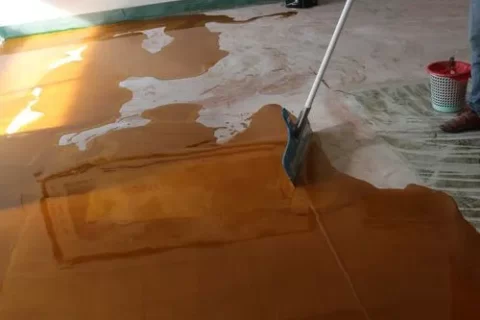
Getting good results really depends on following these steps properly. Start by mixing the resin and hardener exactly as the manufacturer says, about 3 to 5 minutes of slow, steady stirring works best. Hurry here creates air bubbles that mess up the clear look we want. Next step is pouring the mixed epoxy in thin layers that overlap each other, starting from one side and moving carefully across to get even coverage everywhere. Right after pouring, use a notched squeegee to spread it out evenly, then run a foam roller gently over the surface to smooth things out and get rid of any streaks or bumps. Let everything cure in a place where temperature stays between 70 and 80 degrees Fahrenheit (around 21 to 27 Celsius) with humidity below 50%. This takes anywhere from a day to three days. Important thing to remember though: once mixed, epoxy only stays workable for around 20 to 40 minutes. Going past this time means it starts hardening too soon and will leave us with problems in our final product.
Critical surface preparation steps to ensure strong epoxy adhesion on wood
Getting the surface ready is actually where most people mess up their epoxy projects. Industry folks say around 70% of whether the epoxy sticks depends on how well this part gets done. Start off by giving that wood a good going over with 120 to 180 grit sandpaper so those little pores can breathe. Afterward, vacuum up all that dust and wipe everything down with denatured alcohol just to be sure nothing greasy or dirty remains. Got any cracks bigger than 1/8 inch? Those need filling with something that matches the wood type before proceeding. Let it dry completely and sand until it feels smooth again. Moisture levels matter too. If the wood has more than 12% moisture content, watch out for bubbles forming under the epoxy and layers peeling apart later on. Don't forget to slap on some sealant primer where the wood looks really porous. This stops air pockets from getting trapped when pouring the epoxy. Skip even one of these steps and the whole thing might not stick properly. Real world tests have shown that poor preparation cuts down how long the finish lasts by about two thirds compared to when everything's done right from start to finish.
Creative Customization Options with Epoxy Topcoats
Epoxy does more than just protect surfaces it actually opens up all sorts of design possibilities for furniture makers wanting to create unique pieces using really flexible methods. The stuff flows easily so it mixes well with colors, textures, and other additives while being applied. Most big name brands now make special formulas that work great with things like mica powder, alcohol based inks, and even solid colors without messing up the clear look. Want something three dimensional? Just drop in some dried flowers, metal bits, or old wood scraps before letting it harden and suddenly a simple table becomes an eye catching display. Layering different colored epoxy on top of each other creates amazing depth effects too. Some folks layer transparent colors one after another while others go for bold geometric shapes. The versatility means creators can make everything from tables that look like rivers flowing across them to modern abstract designs that double as functional furniture and actual works of art.
Long-Term Care and Maintenance of Epoxy-Topcoated Furniture
Daily cleaning, stain prevention, and UV protection to preserve topcoat integrity
Regular cleaning keeps epoxy topcoats looking great and working properly for many years. Make it a habit to wipe surfaces daily with a soft microfiber cloth to catch those tiny dust particles before they scratch the surface. When something spills on the floor, especially tricky stuff like red wine, coffee stains, or greasy cooking oil, grab a pH neutral cleaner right away. Stay away from ammonia or vinegar cleaners though because these will slowly break down what makes epoxy so resistant to chemicals. Keep furniture out of direct sunlight whenever possible or consider getting some UV blocking window film installed. Sunlight over time can really make regular epoxy turn yellowish. The numbers back this up too — epoxy protected from UV light holds onto about 95% of its shine after five years while unprotected surfaces drop to around 65%. For tough spots that won't come off, try applying some good quality car wax twice a year. This helps bring back that water repelling effect without damaging the coating itself.
Frequently Asked Questions
What are the benefits of using epoxy topcoats on furniture?
Epoxy topcoats offer unmatched durability, impact, chemical, scratch, and moisture resistance, enhancing the longevity and aesthetics of furniture surfaces.
How do epoxy topcoats improve the appearance of wood furniture?
Epoxy provides deep gloss, optical clarity, and color enhancement, highlighting natural wood features and creating a multidimensional effect.
What's essential for applying epoxy topcoats correctly?
Proper mixing, pouring, leveling, curing, and thorough surface preparation are essential for the successful application of epoxy topcoats.
Can epoxy topcoats be customized?
Yes, they allow the addition of colors, textures, and additives, enabling creativity and unique designs through various methods.
How should I maintain epoxy-topcoated furniture?
Regular cleaning, avoiding harsh chemicals, protection from UV exposure, and periodic waxing help maintain and preserve epoxy-coated surfaces.