 EN
EN

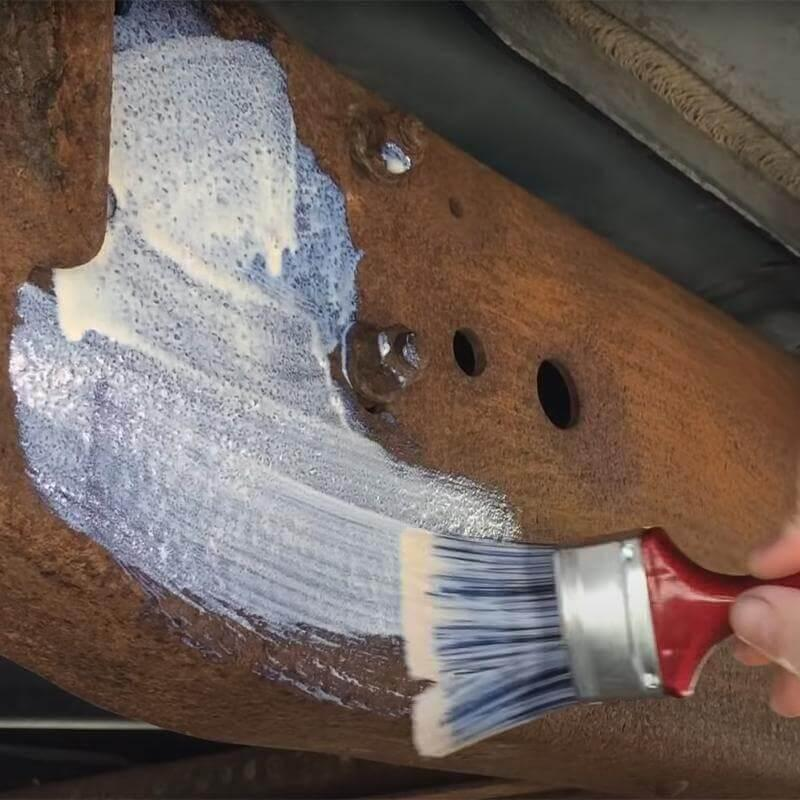
The Science Behind Epoxy Primer Penetration: Viscosity, Capillary Action, and Surface Energy
Viscosity—Porosity Interplay: Why Low-Viscosity Epoxy Primers Maximize Substrate Infiltration
Epoxy primers with low viscosity, usually below 200 centipoise, tend to get into porous materials better than their thicker counterparts. When viscosity drops, molecules face less resistance, so they can sink deeper into those tiny cracks and holes in concrete surfaces. Tests show these thin primers reach depths about 30 to 50 percent greater than regular primers do. There's actually a science behind this called the Washburn equation which basically says thinner liquids move faster through small spaces. Most manufacturers use something called reactive diluents to cut down on thickness without messing up how well the primer holds together over time. Getting full saturation matters because when properly soaked in, the primer forms mechanical bonds that stick much better to the surface. According to ASTM D7234 tests, adhesion improves around 60% with proper saturation. Temperature makes a difference too warm surfaces make the primer runnier right after application, helping it spread out and soak in even more thoroughly.
Capillary Action and Wetting Dynamics: How Surface Energy Determines Epoxy Primer Uptake in Concrete
The way epoxy primer gets into concrete relies mostly on capillary action, which works best when there's good surface energy compatibility between materials. When the concrete surface has higher energy than the primer itself, something interesting happens – we get spontaneous wetting as negative capillary pressure actually pulls the primer into those tiny pores. Most concrete surfaces measure around 35 to 45 mN/m in surface energy, whereas good quality epoxy primers usually sit at about 28 to 32 mN/m. This difference creates just the right conditions for proper penetration. But watch out for oil contamination! Even small amounts can mess up this delicate balance and cut primer absorption down by as much as 70 percent. Cleaning the surface thoroughly brings back those optimal wetting properties. Research shows that getting surface energies matched properly makes all the difference, boosting bond strength by roughly 40% across ICRI CSP-3 through CSP-6 damage levels according to field tests.
Surface Preparation as a Penetration Enabler: Matching Epoxy Primer Performance to Concrete Profile
ICRI CSP Standards and Epoxy Primer Effectiveness: Why CSP-3 to CSP-6 Is the Optimal Range for Penetration
According to the International Concrete Repair Institute's CSP standards, there's a specific texture range that works best when it comes to getting epoxy primers to really stick. The sweet spot lies between CSP-3 and CSP-6 surfaces. These have what we call moderate micro-texture, with those tiny peaks and valleys measuring around 0.5 to 2 millimeters deep. Think of it as kind of a Goldilocks situation for concrete surfaces—not too smooth, not too rough. If the surface is too flat (below CSP-3), there just aren't enough places for the primer to grab hold, which can cut down on bond strength by almost two thirds. On the flip side, going beyond CSP-6 creates all sorts of problems too. The surface gets too rough with these sharp peaks that actually trap air pockets. This leads to faster delamination issues down the road, something no one wants when working on long lasting repairs.
This optimal profile supports three key penetration mechanisms:
- Capillary channels widen sufficiently to accommodate low-viscosity epoxy flow
- Surface area increases 3–5Å versus polished concrete, expanding chemical bonding sites
- Peak uniformity ensures consistent film thickness and eliminates pinholes
Mechanical grinding remains the most reliable method to achieve CSP-3 to CSP-6—aggressive enough for deep infiltration, refined enough for uniform film formation. CSP-2 surfaces require 40% more primer for equivalent coverage; CSP-9 substrates retain air voids that compromise moisture resistance.
Formulation Innovations That Optimize Epoxy Primer Penetration Without Compromising Durability
Solvent-Free vs. Water-Based Epoxy Primers: Penetration Rate, VOC Compliance, and Film Integrity Trade-offs
Water based epoxy primers tend to soak into porous materials about 15 to maybe even 30 percent quicker compared to their solvent counterparts because they're just naturally less viscous. This has actually been confirmed through several independent tests looking at how well coatings can penetrate into surfaces. These waterborne options also comply with those tough worldwide VOC regulations, meeting the European Union's limit of 250 grams per liter without any issues. The downside? They might form about 10 to 15 percent fewer crosslinks during curing, which could impact their ability to resist chemicals over time. On the flip side, solvent free systems do get deeper into surfaces and last longer overall, though they require much cleaner and better prepared surfaces before application. Choosing between them really depends on what the job demands. Water based primers work best when quick penetration matters most, especially if humidity stays below 60%. For places where chemical resistance absolutely cannot be compromised like wastewater treatment plants, the 100% solid formulations remain the go to option despite needing more careful surface prep.
Nanoscale Fillers and Reactive Diluents: Enhancing Epoxy Primer Substrate Engagement While Maintaining Crosslink Density
When silica nanoparticles are smaller than 50 nanometers, they can boost mechanical anchoring within concrete pores by around 40 percent. These tiny particles fill up the microscopic voids in the material without getting in the way of resin flow. For those looking to work with reactive diluents such as glycidyl ether, there's another benefit worth noting too. These substances cut down viscosity by nearly two thirds compared to regular epoxy formulations, which means better capillary action even on tricky CSP-4 surfaces. What's really important though is that at concentrations below 12%, these additives still maintain over 95% of their crosslink density. This has been tested using ASTM D1654 methods following accelerated weathering tests. Putting it all together, we see penetration depths ranging between roughly 200 to 300 microns, and these materials meet the necessary ASTM C881 strength standards required for actual structural applications in the field.
Penetration Depth vs. Adhesion Performance: When Deeper Isn’t Better for Long-Term Epoxy Primer Success
Going too deep isn't always better when it comes to coatings. Actually, if the primer gets in too far, it might actually hurt how well things stick together over time. According to some research we've seen, primers that go past about 150 microns tend to show around 18 percent less strength when pulled off compared to those that penetrate just right (the Protective Coatings Study folks mentioned this back in 2023). What happens here is pretty simple really. When there's too much penetration, the resin gets used up at the surface where it matters most, leaving what some call a "starved" bonding area that just doesn't hold up when pressure builds. Looking at numbers from across the industry, roughly one third of all early coating failures seem to come down to getting the balance wrong between depth and sticking power. Deep penetration ends up costing us in terms of how strong that connection remains between layers.
Getting the right depth is key for performance, typically somewhere between about 50 to 100 microns works best. At this range, it's deep enough so the parts actually lock together mechanically, but not so deep that there isn't enough resin left on top to form those important chemical bonds. When we talk about how these bonds work, they spread out the stress along the whole bonding area. This helps prevent problems where the material itself breaks apart (that's called cohesive failure) or when the bond just comes loose at the point where two materials meet (adhesive failure). Most engineers find this balance makes for much stronger connections overall.
| Penetration Depth | Adhesion Mechanism | Failure Risk Profile |
|---|---|---|
| Shallow (<30µm) | Surface adhesion only | High cohesive failure at interface |
| Optimal (50–100µm) | Mechanical + chemical bond | Mixed-mode failure resistance |
| Excessive (>150µm) | Substrate-dominated grip | Substrate failure/delamination |
Formulators achieve this equilibrium using controlled viscosity and precision-tuned reactive diluent systems—limiting capillary over-extension while preserving wettability. The objective isn’t maximum depth, but depth-optimized adhesion: a synergistic balance where penetration and interfacial integrity reinforce one another.
FAQ Section
What is epoxy primer and why is it used?
Epoxy primer is a coating often applied to surfaces, particularly concrete, to improve adhesion, durability, and chemical resistance. It's used because it effectively seals porous surfaces and provides a strong foundation for subsequent layers.
How does viscosity affect epoxy primer penetration?
Lower viscosity epoxy primers penetrate porous surfaces better due to reduced resistance, allowing deeper infiltration into tiny cracks and holes.
Why is surface energy important in epoxy primer applications?
Surface energy compatibility between the epoxy primer and concrete enhances capillary action and effective primer uptake, leading to better adhesion and performance.
What role does concrete surface profile play in epoxy primer effectiveness?
The concrete surface profile, according to ICRI CSP standards, ensures optimal bonding conditions. CSP-3 to CSP-6 textures provide a balance that enhances epoxy primer adhesion without complications from either too smooth or too rough surfaces.
What are reactive diluents and their importance?
Reactive diluents reduce the viscosity of epoxy primers, allowing better penetration while maintaining crosslinking density crucial for durability.
Table of Contents
-
The Science Behind Epoxy Primer Penetration: Viscosity, Capillary Action, and Surface Energy
- Viscosity—Porosity Interplay: Why Low-Viscosity Epoxy Primers Maximize Substrate Infiltration
- Capillary Action and Wetting Dynamics: How Surface Energy Determines Epoxy Primer Uptake in Concrete
- Surface Preparation as a Penetration Enabler: Matching Epoxy Primer Performance to Concrete Profile
- Formulation Innovations That Optimize Epoxy Primer Penetration Without Compromising Durability
- Penetration Depth vs. Adhesion Performance: When Deeper Isn’t Better for Long-Term Epoxy Primer Success
- FAQ Section