 EN
EN

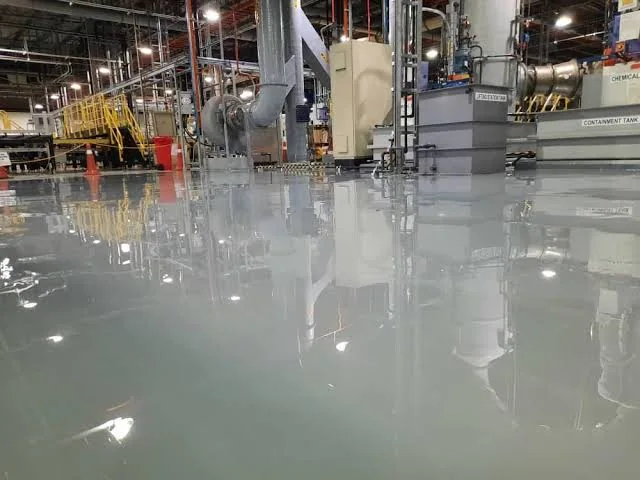
novolac epoxy coatings are a narrower specification than standard bisphenol A (BPA) epoxy floor paints. Specification decisions hinge on crosslink density, chemical resistance, and whether the cure schedule fits the maintenance window. Epoxy phenol novolac (EPN) resins are high-functionality liquid resins that provide increased temperature and chemical resistance for corrosion-resistant coatings and linings. This guide covers what to specify, how to compare suppliers, and where the main failure risks sit.
Key takeaways for buyers
-
EPN-based novolac epoxy coating is specified where standard BPA epoxy floors may soften, stain, or lose adhesion under aggressive chemical or thermal load.
-
Epoxy novolac coatings are high-crosslink-density systems; the multifunctional resin structure provides higher heat and chemical resistance than general-purpose liquid epoxy resins.
-
Do not buy on the phrase “chemical resistant” alone. Request batch-specific EEW, viscosity, hardener type, mix ratio, and cure schedule for the exact grade.
-
For importers, bulk export supply requires batch CoAs, packaging data, handling documents, and pre-shipment inspection or sample evidence.
When to Specify Epoxy Novolac Coatings
Treat novolac epoxy coatings as a separate resin chemistry, not a premium version of standard epoxy floor paint. Liquid epoxy resins based on bisphenol A appear in general coatings, castings, tooling, flooring, adhesives, and composites. Epoxy phenol novolac resins appear in more demanding applications: thermosets for elevated temperature services, corrosion-resistant equipment such as filament-wound pipe and storage tanks, liners for pumps, and coatings.
For industrial flooring, a novolac epoxy coating is relevant when the floor sees aggressive acids, alkalis, solvents, thermal shock, or continuous elevated temperature. EPN resins are multi-functional epoxy resins with high cross-linking density, imparting high heat and chemical resistance. Specify the exposure, not just the product family. A generic request for “chemical resistant floor paint” is less useful than listing the chemicals, concentration, temperature, and contact frequency.
The term novolac epoxy paint is often used interchangeably with novolac epoxy coating, but the label alone should not drive the purchase decision. Require the resin backbone to be identified as epoxy phenol novolac and ask for grade-specific technical data.
Resin Chemistry: Why Crosslink Density Changes the Specification
EPN resins are epoxy phenol novolac resins, a category distinct from bisphenol A/bisphenol F liquid resins. They are high-functionality liquid resins that provide increased temperature and chemical resistance. The higher functionality creates a tighter cured network. These resins are specifically designed to provide increased thermal stability and chemical resistance compared with standard epoxy systems.
For procurement, the practical point is that the cured film may behave differently in continuous chemical immersion and elevated-temperature service than a standard epoxy flooring system. The table below summarizes the documented application profiles.
| Attribute | Bisphenol-A liquid epoxy resin | Epoxy phenol novolac resin |
|---|---|---|
| Typical applications | Coatings, castings, tooling, flooring, adhesives, composites | Elevated temperature service thermosets, corrosion-resistant equipment, coatings |
| Functionality | Not specified as high functionality | High functionality liquid resin |
| Crosslink density | Not specified | High cross-linking density |
| Primary benefit in flooring | General-purpose mechanical and chemical performance | Increased heat and chemical resistance |
When a supplier proposes a standard EPN grade—for example, a liquid grade with an EEW around 176–181 g/eq—request the grade-specific epoxy equivalent weight and viscosity at 25°C. Confirm whether it is an unmodified EPN or a modified novolac. The general EPN class supports high heat and chemical resistance, but grade performance still must be verified against the target exposure and hardener package.
Formulation Variables: Hardener, Mix Ratio, and Application Window
A complete novolac epoxy coating specification includes the hardener package, not just the resin. The hardener largely controls cure speed, final chemical resistance, and heat tolerance. Formulated modified aromatic amine hardeners are one category evaluated for high-temperature and chemical-resistant service, but many aromatic systems require elevated-temperature post-cure to develop their full properties. For ambient-cured flooring that cannot be post-cured, also evaluate phenalkamines, modified cycloaliphatic amines, or suitable aliphatic amine adducts. Whatever chemistry is proposed, request its active hydrogen equivalent weight (AHEW), recommended stoichiometric ratio, ambient-cure data, and any post-cure requirement.
Calculate the mix ratio from the batch EEW and hardener AHEW. Do not accept a single generic mix ratio without a batch CoA. Off-ratio mixing commonly causes soft spots, undercure, and reduced chemical resistance. Specify weight and volume mix ratios and the allowable tolerance.
Application parameters belong in the RFQ as well. High-solids novolac epoxy paint is often applied by trowel, squeegee, or high-build spray, followed by back-rolling for film integrity. Request pot life, recoat window, minimum substrate temperature, and the minimum cure period before chemical exposure. If viscosity is high, confirm whether the material can be warmed and how that changes pot life and application behavior.
Key Specifications for Supplier Comparison and RFQ
A strong RFQ for epoxy novolac coatings should require more than a product name. The following parameters should be requested for each batch or shipment:
-
Epoxy equivalent weight (EEW): the resin parameter used to calculate hardener demand and mix ratio.
-
Viscosity at 25°C: compare suppliers on the same test method and temperature.
-
Color or Gardner value: relevant if the floor has a topcoat or appearance requirement.
-
Hardener type and AHEW: confirms the cure chemistry and mix ratio.
-
Pot life and gel time: defines the application window.
-
Cure schedule: room-temperature cure, force cure, or post-cure needed to reach chemical resistance.
-
Chemical resistance data: exposure-specific, not generic.
Request a batch certificate of analysis (CoA) and a technical data sheet. For any standard EPN grade, verify the EEW and viscosity against your specification and ask whether the grade is intended for ambient-cured flooring, post-cured flooring, or another EPN application.
For importers, confirm packaging size, shelf life, storage conditions, hazard classification, and export documentation before commercial negotiation.
Quality Control and Preventing Field Failures
Plan a field test patch before full installation. In high-crosslink-density epoxy novolac coatings, the main risks are undercure, surface contamination, and application outside the pot life. Require this evidence from the supplier:
-
Batch CoA with EEW and viscosity.
-
Cure schedule and expected time to full chemical resistance.
-
Third-party or supplier chemical immersion data for the specific exposure.
-
Application guide for substrate preparation, moisture limits, and recoat timing.
EPN resins are suitable for corrosion-resistant coatings and linings, but that documentation does not guarantee field performance if the substrate is poorly prepared or the mix ratio is off. Specify a trial patch under the same ambient conditions as the production floor, and inspect for pinholing, delamination, or soft cure before committing to a full purchase.
If thermal cycling is expected, review joint design and substrate movement with the formulator. High crosslink density affects the cured film’s mechanical behavior. Crack-bridging and adhesion requirements should therefore be part of the technical review.
Procurement Checklist for Bulk Export Supply
Use this decision framework when comparing suppliers:
-
Resin type: confirm the product is an epoxy phenol novolac resin, not a blend labeled only as novolac epoxy coating.
-
Batch data: request EEW, viscosity, and color for the current lot.
-
Hardener system: confirm the recommended hardener, AHEW, and mix ratio.
-
Application support: ask for a technical data sheet, cure schedule, and application guide.
-
Performance evidence: request chemical immersion data for your specific exposure conditions.
-
Export readiness: confirm packaging, palletization, lead time, SDS, and pre-shipment sample availability.
For every EPN resin manufacturer or export supplier under review, request the same technical package. Confirm whether the supplier can provide a batch retain sample, export documentation, and technical review of your target service conditions. Do not finalize a purchase decision on the basis of a generic TDS alone.
FAQ
What is the difference between novolac epoxy paint and standard BPA epoxy floor paint?
Standard BPA-based liquid epoxy resins are listed for general coatings, flooring, adhesives, and composites. Epoxy phenol novolac resins are high functionality liquid resins with high cross-linking density and increased heat and chemical resistance. A novolac epoxy coating is therefore the stricter specification for aggressive chemical or elevated-temperature flooring.
How do I specify a novolac epoxy coating in an RFQ?
Include the resin type (EPN or epoxy phenol novolac), batch EEW, viscosity at 25°C, hardener type and AHEW, mix ratio by weight and volume, pot life, cure schedule, required dry film thickness, and the exact chemical exposure list. Request a CoA and application TDS.
Are novolac epoxy coatings universally chemical resistant?
No. They provide increased thermal stability and chemical resistance compared with standard epoxy systems, but performance is exposure-specific. You need immersion data for the actual chemical, concentration, temperature, and contact duration. Generic “chemical resistant” statements are not a specification.
What hardener should be used with an EPN resin for high-heat service?
Modified aromatic amines are one category evaluated for high-temperature and chemical-resistant formulations, particularly where an elevated-temperature cure or post-cure is practical. If an industrial floor must cure under ambient concrete conditions and cannot be post-cured, verify that the proposed modified aromatic amine can achieve sufficient conversion and chemical resistance at the actual slab and air temperatures. Also compare ambient-cure alternatives such as phenalkamines, modified cycloaliphatic amines, and suitable aliphatic amine adducts. Ask for the AHEW, recommended mix ratio, compatibility with the exact EPN grade, minimum cure temperature, return-to-service time, and final resistance under the stated cure schedule.
Request a Technical Quotation
Send target service conditions to each shortlisted EPN resin manufacturer or supplier when requesting a quote: chemicals and concentrations, temperature range, substrate type and condition, required film thickness, application method, installation window, and whether elevated-temperature post-cure is possible. Ask for a batch CoA, technical datasheet, and application guide for the exact proposed grade.
Table of Contents
- When to Specify Epoxy Novolac Coatings
- Resin Chemistry: Why Crosslink Density Changes the Specification
- Formulation Variables: Hardener, Mix Ratio, and Application Window
- Key Specifications for Supplier Comparison and RFQ
- Quality Control and Preventing Field Failures
- Procurement Checklist for Bulk Export Supply
- FAQ
- Request a Technical Quotation