How Curing Agent Chemistry Influences Epoxy Cure KineticsReaction Mechanisms of Amine, Anhydride, and Catalytic Epoxy Curing AgentsThe way epoxy curing agents work involves different chemical processes for creating those crosslinks we all know and lo...
VIEW MORE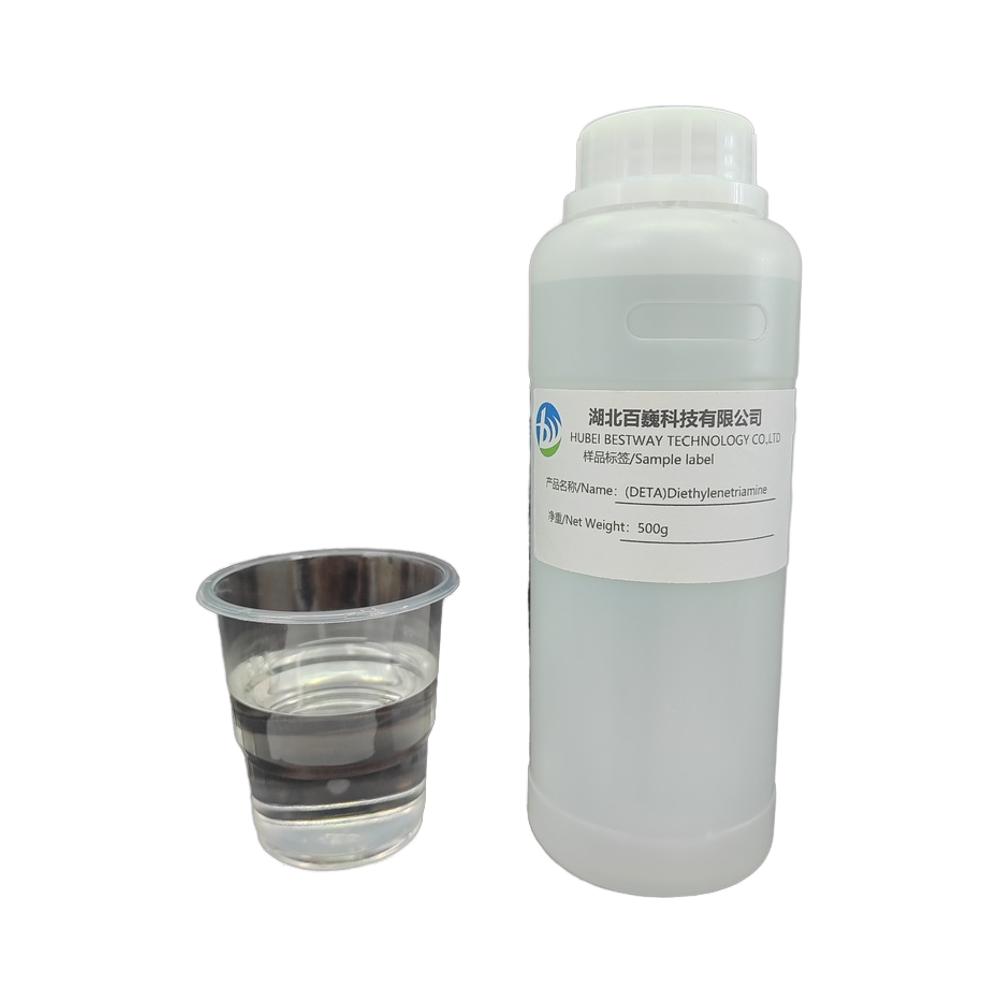
What Is DETA and How It Enables Fast Epoxy Curing Chemical Structure and Properties of DETA (Diethylenetriamine) DETA, also known as diethylenetriamine, has a relatively small molecular weight of around 103.17 grams per mole. Its chemical makeup inc...
VIEW MORE
How Epoxy Accelerators Speed Up Curing: Science and Real-World Impact The Science Behind Epoxy Accelerator Activation Mechanisms Epoxy accelerators reduce activation energy by up to 50%, enabling faster cross-linking between resins and hardeners (Epo...
VIEW MORE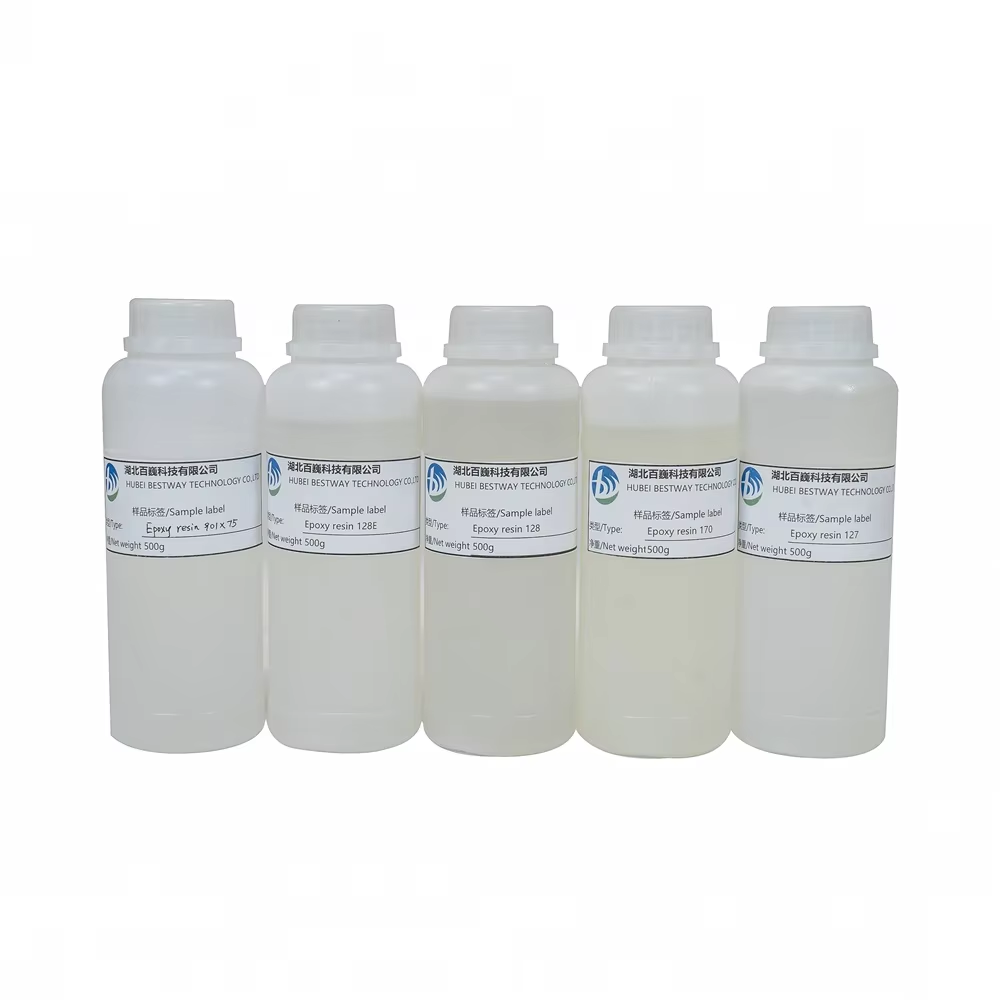
Epoxy Resin as the Foundation of Lightweight, High-Strength Composites Understanding the Role of Epoxy Resin in Composite Material Design The way epoxy resin is built at the molecular level really makes it great for creating composites. It has a pre...
VIEW MORE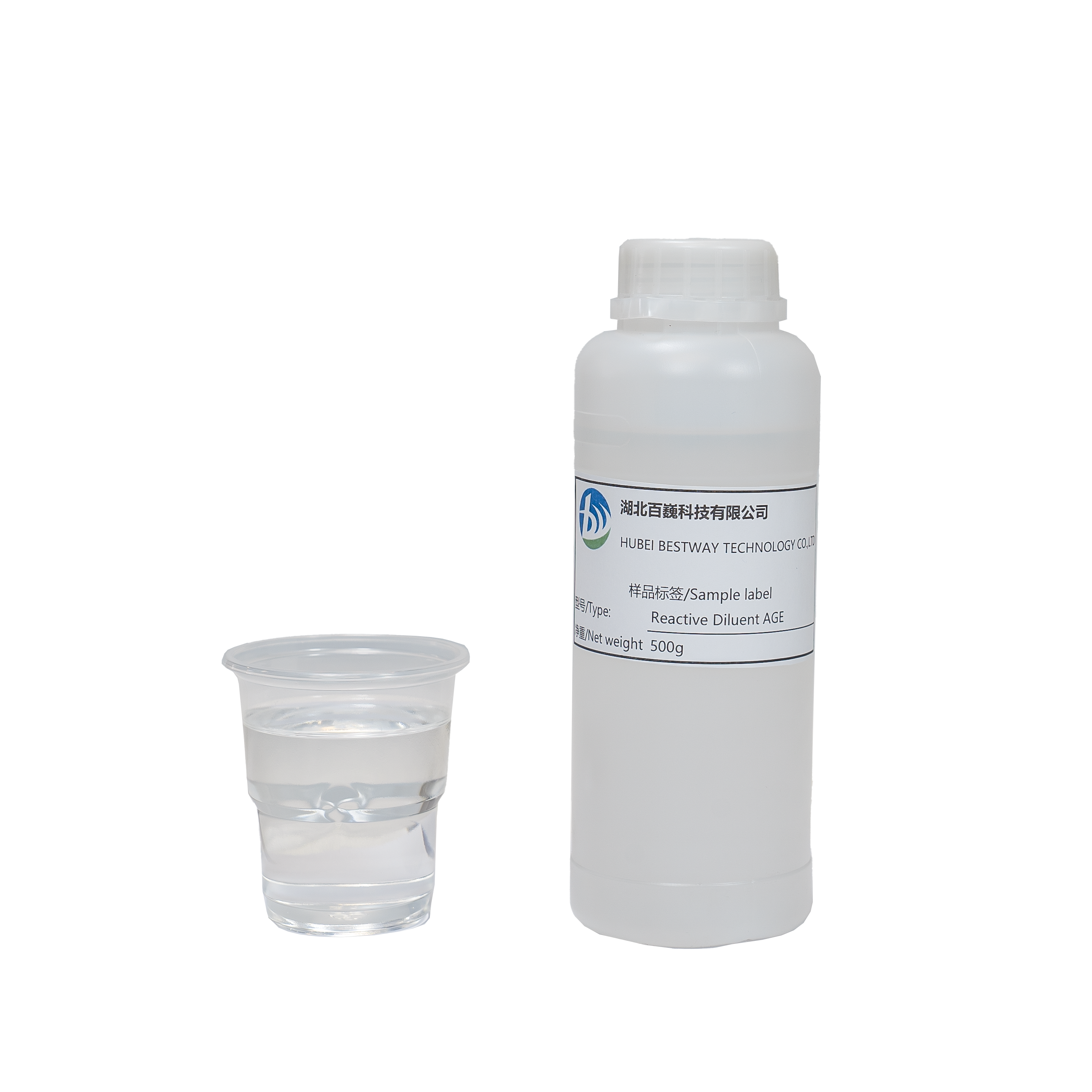
Understanding Epoxy Diluents and Their Impact on Coating ViscosityDefinition and Chemical Composition of Epoxy DiluentEpoxy diluents work as additives with relatively small molecules that make resins less thick without messing up how they cure. These...
VIEW MORE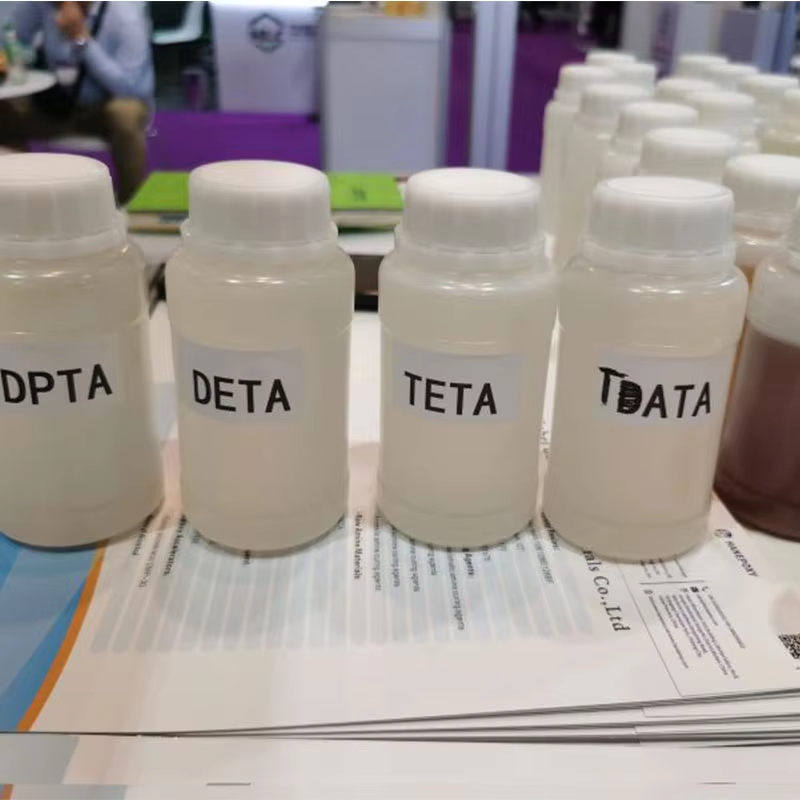
Fundamentals of Aliphatic Amine Curing in Epoxy Systems Role of Aliphatic Amine in Primary Epoxy-Amine Reactions When aliphatic amines start the epoxy curing process, they basically attack the oxirane ring through what chemists call nucleophilic act...
VIEW MORE
Fundamentals of Amine-Cured Epoxy Systems Epoxy Resin Chemistry 101: Base Components To really get what makes epoxy resin so useful across different industries, we need to look at its basic building blocks first. Most epoxy systems work with just...
VIEW MORE
The Chemistry Behind Epoxy Paint's Corrosion ResistanceEpoxy Resin Composition and Crosslinking Mechanisms Epoxy resins belong to a class of thermosetting polymers and are really important for making epoxy paints resistant to corrosion. When we mix e...
VIEW MORE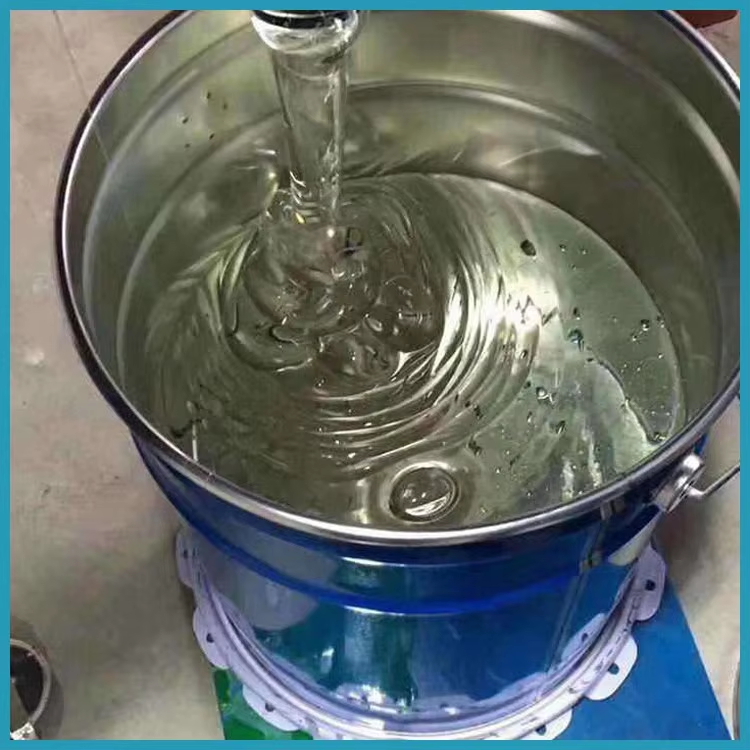
Amine-Based Hardener Chemistry in Epoxy Resin SystemsEpoxy resin is often prepared with amine hardeners because of its wide reactivity and balanced strength. These crosslinkers induce crosslinking by nucleophilic addition, where amine groups (-NH) re...
VIEW MORE
The Chemistry of Epoxy Curing: Hardener's Role Epoxy Resin and Hardener Interaction Getting how epoxy resin works with hardeners matters a lot when trying to get good curing results. When they mix together, chemical bonds form what looks like a str...
VIEW MORE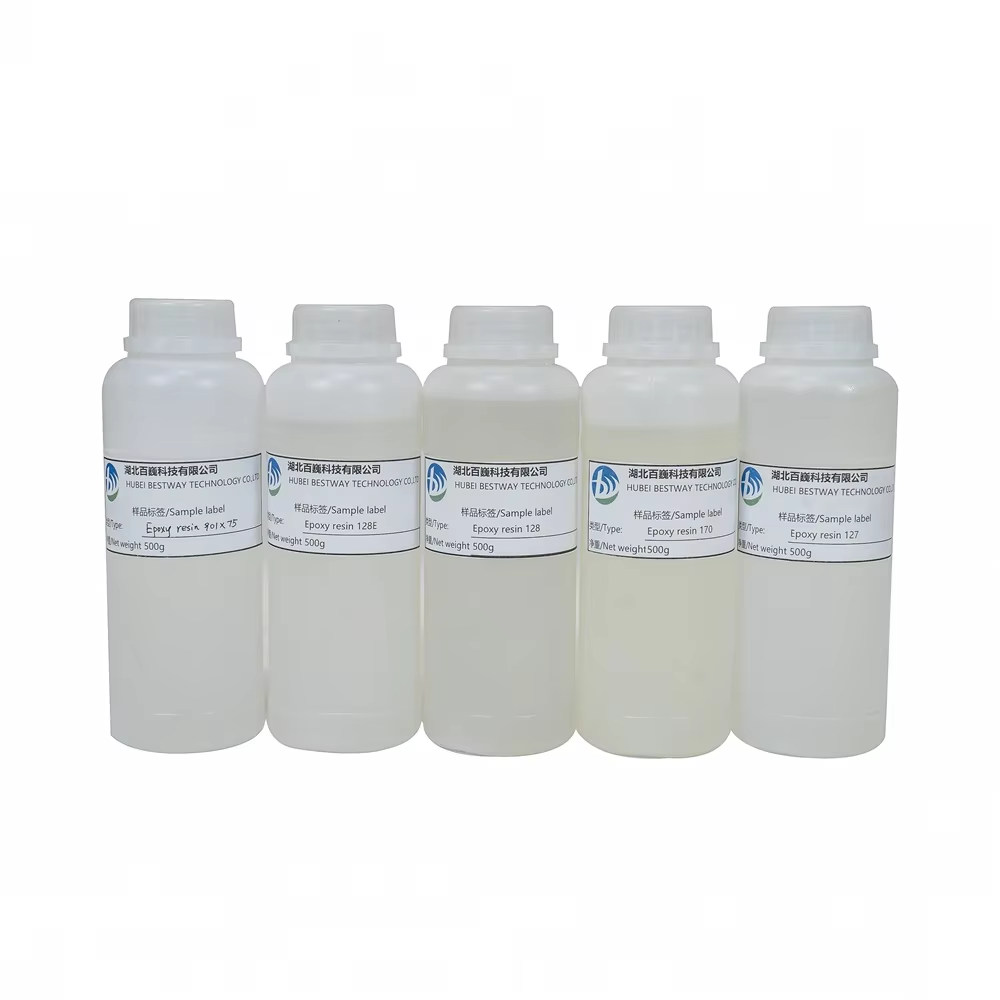
The Science Behind Epoxy Resin Technology Chemical Composition and Curing Mechanisms What makes epoxy resin so effective chemically comes down to those epoxide groups that react with hardeners when mixed together. This starts off the curing process...
VIEW MORE
Benefits of Epoxy Floor Coatings for High-Gloss Durability Unmatched Resistance to Chemicals and Wear Epoxy floor coatings stand out because they resist chemicals and wear really well, which is why so many factories and warehouses choose them. They...
VIEW MORE EN
