Chemical Properties of Benzyl Alcohol in Epoxy Systems Solvent Capabilities and Compatibility with Epoxy Resins Benzyl alcohol is well known for its superior solubilzing functions in epoxy system and is found to be very useful significantly in ...
VIEW MORE
Understanding Substrate Compatibility with Epoxy Primers Metal Surfaces: Rust Prevention and Adhesion SOLID SURFACE PREPARATION FOR EPOXY PRIMING It is essential to prepare metallic surfaces to enhance the adhesion of epoxy primers. One part of...
VIEW MORE
Epoxy Resin Composition and Industrial Durability High-Performance Under Heavy Machinery Epoxy floor is intended to withstand an immense amount of weight, which makes it an excellent solution for soundproofing a shop with heavy tools and equipm...
VIEW MORE
The Reaction Between DETA and Epoxy Resin DETA, (Diethylenetriamine) is a vital component of epoxy curing thanks to its distinctive chemical structure with reactive amine groups. These functional groups are essential for its reaction with ...
VIEW MORE
How Epoxy Accelerators Enhance Coating EfficiencyChemical Reactions Between Epoxy Resin and Accelerators The role of epoxy accelerators in speeding up the chemical dance between resins and hardeners cannot be overstated when it comes to getting good ...
VIEW MORE
Benzyl Alcohol's Role in Epoxy Resin Chemistry Viscosity Reduction in Epoxy Formulations Benzyl alcohol helps cut down on the thickness of epoxy resins, basically working as a good solvent for these mixtures. When the resin gets less viscous, it...
VIEW MORE
The Role of Epoxy Primers in Enhancing Powder Coating Durability How Epoxy Primers Create a Corrosion-Resistant Base Layer Epoxy primers are really important when it comes to stopping water from getting through and building a base layer that resists...
VIEW MORE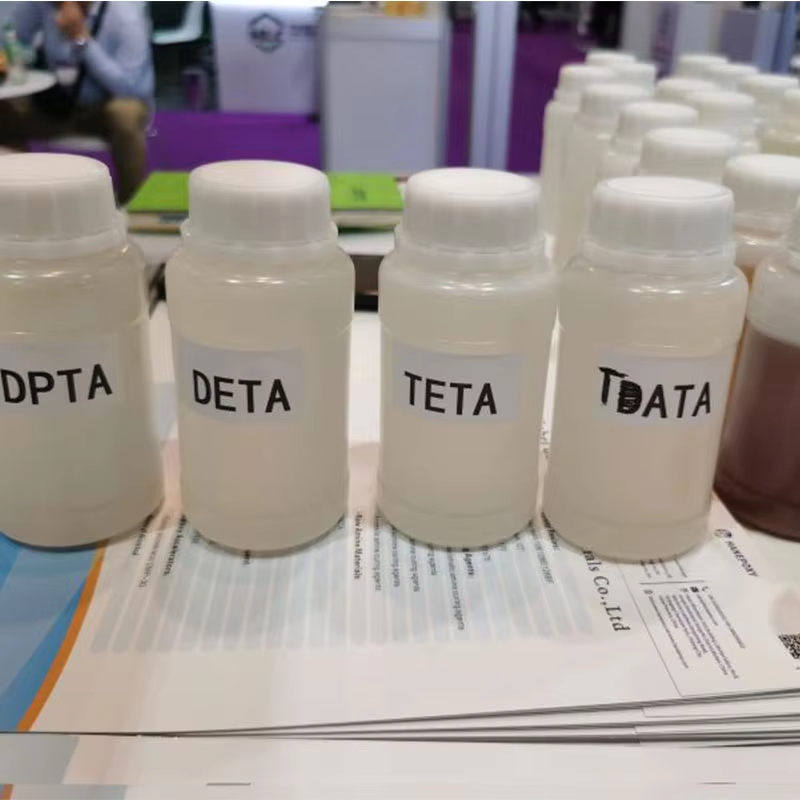
What Are Aliphatic Amines and Their Role in Epoxy Curing?Chemical Composition of Aliphatic Amines Aliphatic amines play a big role in how epoxy cures because of their relatively simple chemical makeup. These substances basically contain nitrogen atom...
VIEW MORE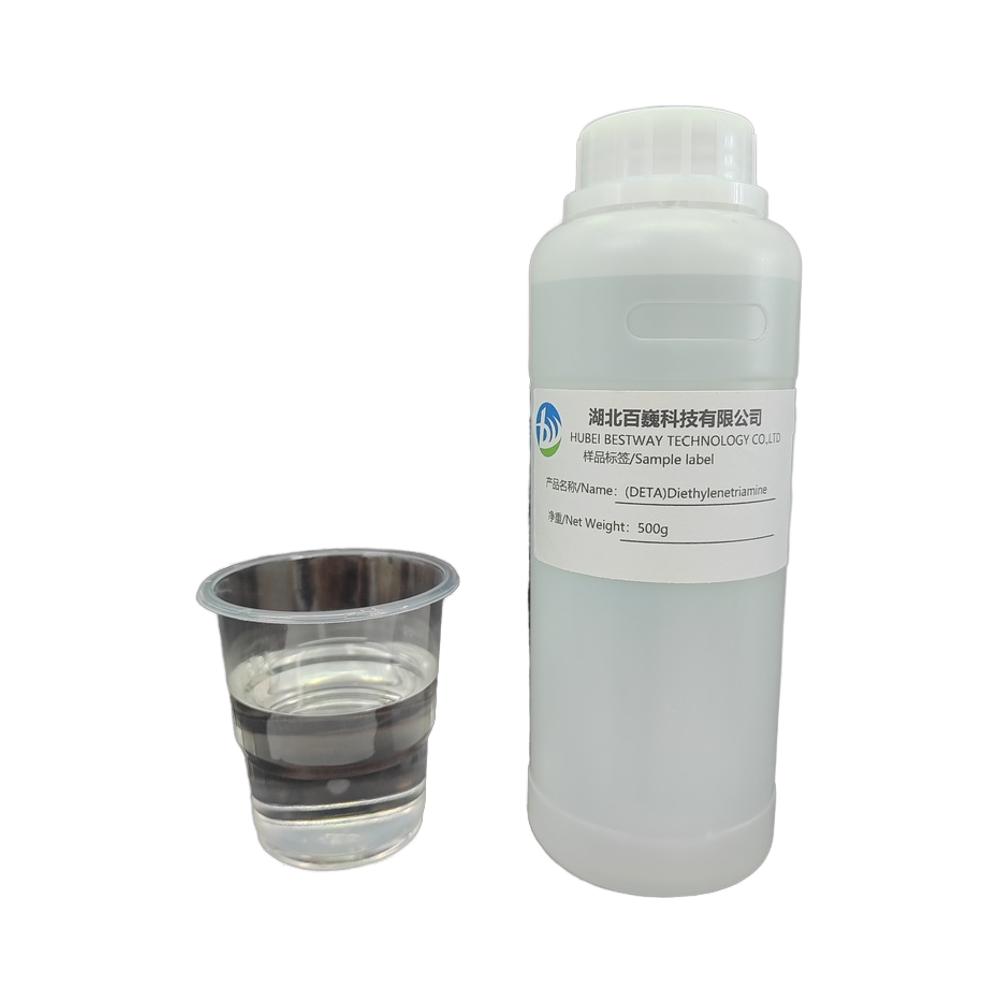
Understanding Cured Epoxy Properties and Structure Chemical Composition of Epoxy Resins Epoxy resins belong to a class of thermosetting polymers that contain those epoxide groups we all know about. When these react with hardeners, they create mate...
VIEW MORE
The Challenge of Corrosion in Chemical Plants Understanding Corrosion Mechanisms in Industrial Settings Chemical plant corrosion remains a big problem caused mainly by things like high humidity levels, fluctuating temperatures, and constant cont...
VIEW MORE
Critical Properties of IPDA-Cured Epoxy for Marine Resilience Saltwater Resistance and Corrosion Inhibition Epoxy coatings cured with IPDA have a special chemical makeup that makes them really good at standing up to saltwater, which explains why t...
VIEW MORE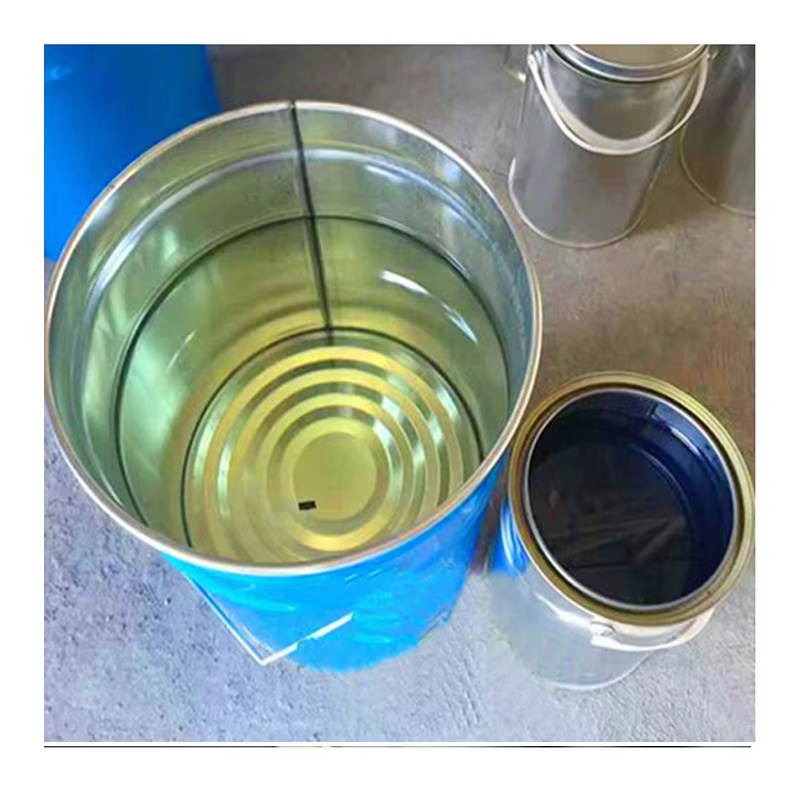
Understanding Epoxy Floor Coating Durability in Logistics Warehouses Composition and Wear-Resistant Properties Epoxy floors are pretty tough stuff, and most people know this already from seeing them in garages and warehouses everywhere. What makes...
VIEW MORE EN
