 EN
EN

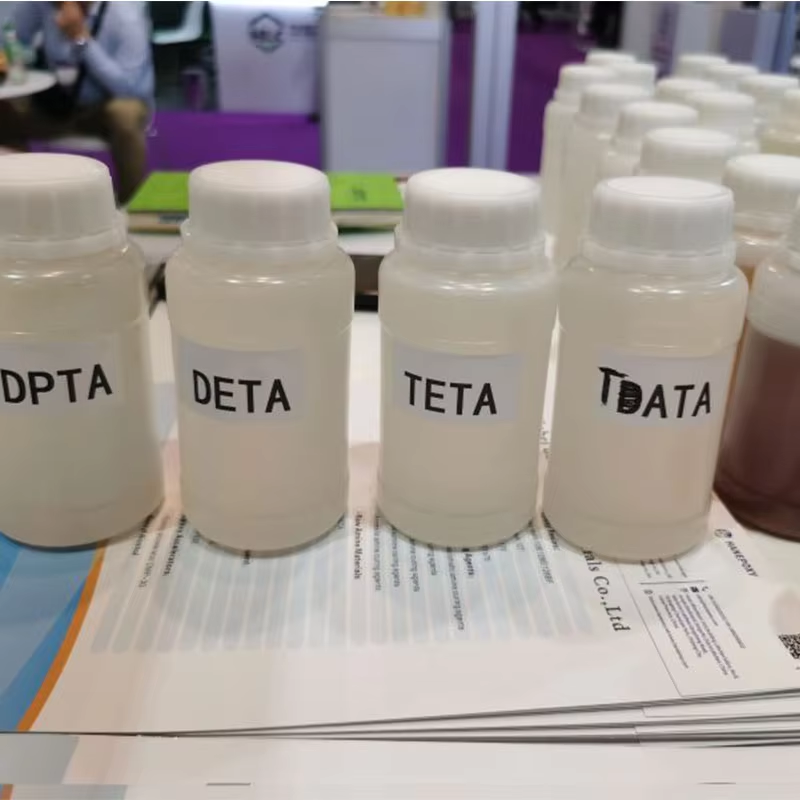
Pag-unawa sa Kimika ng Alipatikong Amina at Mga Mekanismo ng Pagkukulay
Mga Landas ng Nukleophilic na Reaksyon: Paano Sinisimulan ng Alipatikong Amina ang Pagbubukas ng Casing ng Epoxy
Kapag pinapagaling ng mga alipatikong amina ang mga epoxy, ginagawa nila ito sa pamamagitan ng kung ano ang tinatawag ng mga kemiko na 'nucleophilic attack' (pag-atake ng nucleophile). Sa pangkalahatan, ang mga atom ng nitrogen sa mga aminang ito ay sumusugod sa mga electrophilic na atom ng carbon sa loob ng istruktura ng epoxide ring. Ipaunawa natin ito nang bahagya: ang mga primary amines ay nagsisimula sa pamamagitan ng pagbukas ng ring, na nagdudulot ng mga secondary amines kasama ang mga grupo ng hydroxyl. Pagkatapos, ang mga secondary amines na ito ay patuloy na umaaksyon hanggang sa mabuo ang mga tertiary amines. Ang resulta rito ay isang hakbang-hakbang na proseso ng paglaki kung saan nabubuo ang mga kovalenteng ugnayan sa pagitan ng iba't ibang mga chain ng resin. Kakaiba nga, ito ay nangyayari nang natural sa temperatura ng silid nang walang pangangailangan ng anumang espesyal na catalyst. Ang presensya ng mga electron-donating na alkyl group ay nagpapaganda pa sa kakayahan ng mga aminang ito sa kanilang gawain. Dahil sa mas mataas na nucleophilicity nito, ang mga alipatikong amina ay gumagana nang humigit-kumulang 30 hanggang 40 porsyento nang mas mabilis kumpara sa kanilang mga aromatic na kapwa. At mahalaga ang pagkakaiba sa bilis na ito sa praktikal na aplikasyon dahil nagbibigay ito ng kakayahang i-adjust ng mga tagagawa ang 'pot life' ayon sa pangangailangan—minsan ay mayroon lamang silang ilang minuto para gumawa, o kaya naman ay maaaring lumawig ito sa ilang oras depende sa mga kinakailangan. Ang mga uniformeng network na istruktura na nabubuo habang nagpapagaling ang materyal ang tunay na sanhi ng maraming nangungunang industriyal na coating at struktural na adhesive sa kasalukuyan, na ginagamit sa iba't ibang sektor ng pagmamanupaktura.
Timbang ng Katumbas ng Amine, Pagpapaandar, at Kanilang Direktang Epekto sa Kerdenisidad ng Crosslink
Ang katumbas na timbang na sinusukat sa gramo bawat ekwibalente ng amine at ang bilang ng mga pagpapaandar ng mga aktibong hydrogen bawat molekula ay nagsisilbing mahahalagang kasangkapan sa pag-aayos ng arkitektura ng mga network ng epoxy. Kapag gumagamit ng mas mababang katumbas na timbang, karaniwang mayroon nang mas maraming reaktibong site sa bawat gramong materyal. Ang mga kompound na may mataas na pagpapaandar, tulad ng tetraethylenepentamine (TETA), ay lumilikha ng mas makapal na mga crosslink kumpara sa kanilang mga kaparehong dalawang-pagpapaandar na kompound. Ito ay karaniwang nagdudulot ng pagtaas sa temperature ng glass transition (Tg) sa paligid ng 15 hanggang 25 degree Celsius, habang dinadagdagan din ang mga sukat ng kahigpitang materyal ng humigit-kumulang 20 hanggang 35 puntos sa Shore D scale. Sa kabilang banda, ang mga malalaki at sangay-sangay na molekula, tulad ng isophoronediamine (IPDA), ay nagdadagdag ng kontroladong kahutukan na tumutulong sa materyal na labanan ang pagsira nang hindi ginagawang sobrang malambot ito. Ang pagkuha ng tamang ratio ng paghalo ay lubhang mahalaga sa praktikal na aplikasyon. Kung ang mga proporsyon ay mawawala sa balanse, madalas na natatapos ang mga tagagawa sa mga mahinang bahagi dahil sa di-sapat na pagkakabuhos (under-curing) o sa mapipilitang pagkabaris (brittle failures) kapag napasobra sila sa kabaligtaran—sa sobrang pagkakabuhos (over-curing).
Pangunahing Mga Metrika:
- Katumbas na timbang = molecular na timbang ÷ aktibong hydrogen
- Kadensidad ng crosslink ∝ katangian ÷ katumbas na timbang
- T g tumataas ≈0.5°C bawat 1% na pagtaas sa kadensidad ng crosslink
Pagkakapareho ng Istroktura ng Aliphatic Amine sa mga Kinakailangan sa Pagganap
Linear vs. Branched vs. Cycloaliphatic: Mga Kompromiso sa Pagitan ng Kahirapan, Kalambutan, at Tg
Ang paraan kung paano nabubuo ang mga molekula ay nagtatakda kung paano gagana ang mga materyales sa iba't ibang kondisyon. Halimbawa, ang mga linear na amina tulad ng diethylenetriamine (DETA) ay lumilikha ng mga flexible na network na istruktura na may katamtamang temperature ng glass transition (Tg) at humigit-kumulang 20 hanggang 30 porsyento na pagpapahaba bago mabali. Dahil dito, mahusay silang pagpipilian kapag kailangan natin ng mga coating na kayang tumagal sa mga impact nang hindi nababali. Sa kabilang banda, ang mga branched na amina ay gumagawa ng iba: pinapataas nila ang density ng crosslink at ang hardness, ngunit kasama rito ang pagbawas sa flexibility. Ang mga ito ay mas epektibo sa mga aplikasyon kung saan ang pangunahing kailangan ay ang pagpapanatili ng hugis at rigidity. Ang mga cycloaliphatic na amina tulad ng IPDA ay nag-aalok ng isa pang paraan. Pinagsasama nila ang mga rigid na cyclic na istruktura at ilang aliphatic na katangian, na nagreresulta sa napakaimpresibong thermal na katangian—may Tg na lampas sa 180 degree Celsius (humigit-kumulang 356 Fahrenheit) at nagsisimula ang thermal decomposition sa itaas ng 220 °C (halos 428 °F). Bukod dito, panatilihin pa rin nila ang karamihan ng kanilang chemical resistance kahit na may mas makapal na molecular na istruktura. Ang tradeoff dito ay ang mas kaunti pang flexibility kumpara sa kanilang linear na katumbas—kaya naman kailangang maingat na isaalang-alang ng mga material scientist ang molecular na arkitektura kapag pipiliin ang tamang compound para sa tiyak na pang-industriya na pangangailangan.
Pangunahing vs. Pangalawang Reactividad ng Amine: Bilis ng Pagkakabuo, Tagal ng Buhay ng Semento, at Kawastuhan ng Huling Network
Kapag pinag-uusapan ang mga reaksyon ng epoxy, ang mga primary amines ay nagtatangi dahil sila ay mas nucleophilic at karaniwang gumagana nang humigit-kumulang 30 hanggang 40 porsyento nang mas mabilis kasama ang mga epoxide kumpara sa kanilang mga secondary counterpart. Ibig sabihin, ang mga oras ng pagkakagel ay madalas bumaba sa ilalim ng 20 minuto at ang pagkakabuhos ay nangyayari nang napakabilis sa temperatura ng kuwarto. Ngunit may isang babala na dapat bigyang-pansin ng mga tagagawa na gumagawa sa mga kapaligirang madumi sa kasalukuyan. Ang napakabilis na rate ng reaksyon ng mga primary amines ay nagdudulot ng mas malakas na paglabas ng init habang ginagamit at nadadagdagan ang posibilidad ng discoloration sa ibabaw na kilala bilang 'blushing'. Sa kabilang banda, ang mga secondary amines ay nagbibigay ng mas mahabang oras ng paggamit—humigit-kumulang apat hanggang walong oras—bago kailangang iproseso. Nagbibigay din sila ng mas maginhawang istruktura ng network sa loob ng mga materyales at nagpaprodukta ng mas banayad na eksotermikong reaksyon, na ginagawang lalo pang kapaki-pakinabang sila para sa mas malalaking proyekto o sa mga aplikasyon na sensitibo sa mga pagbabago ng temperatura. Gayunpaman, ang mga primary amines ay nag-aambag ng mas mataas na density ng crosslink at mas mataas na mga temperatura ng glass transition, bagaman minsan ay sa gastos ng mga katangian ng impact resistance. Ang mga secondary formulation naman ay karaniwang nananatiling balansado sa pagitan ng mga mekanikal na katangian habang nag-ooffer din ng mas mahusay na proteksyon laban sa mga kemikal kapag ganap nang natutuyo. Sa huli, ang pagpili ay lubos na nakasalalay sa mga pangangailangan sa produksyon. Para sa mga operasyon na binibigyang-prioridad ang bilis at dami ng output, ang mga primary amines ay isang makatuwirang pagpipilian. Ngunit kapag ang presisyon ang pinakamahalaga kasama ang pagpapanatili ng kalidad ng produkto sa iba’t ibang kondisyon ng kapaligiran, ang mga secondary o mixed system ang karaniwang mas matalinong pagpipilian para sa maraming aplikasyon sa industriya.
Gabay sa Paghahambing ng Pagpili: DETA, TETA, at IPDA para sa mga Pangunahing Aplikasyon
Ang pagpili ng pinakamainam na aliphatic amine ay nangangailangan ng pagkakalapat ng molekular na istruktura sa mga pangangailangan ng pagganap sa iba't ibang sektor. Ang paghahambing na ito ay sinusuri ang tatlong karaniwang gamitin sa industriya na amines—DETA, TETA, at IPDA—batay sa kanilang natatanging mga profile sa pagpapatuyo at pagganap sa huling gamit.
DETA: Mabilis na Pagpapatuyo, Mga Flexible na Network para sa Pangkalahatang Gamit na Coating
Ang Diethylenetriamine, o DETA gaya ng karaniwang tinatawag, ay gumagana dahil sa mga tatlong aktibong atom ng hydrogen nito, kabilang ang dalawang primary amines na nagpapasimula sa proseso ng pagbukas ng epoxy ring kahit sa temperatura ng silid. Ang resulta ng reaksyon na ito ay isang network na may katamtamang crosslink density. Ang materyal ay maaaring umunat ng mga 15 hanggang 20 porsyento bago pumutol, mahusay na tumututol sa mga impact, at kumakapit nang mahigpit sa mga ibabaw tulad ng bakal, kongkretong beton, at mga composite material. Isa sa mga bagay na nagpapadali sa paggamit ng DETA ay ang mababang viscosity nito, na nangangahulugan na madaling i-mix at ilapat ito nang walang malaking kahirapan. Ngunit may isang caveat: ang pot life nito ay humigit-kumulang lamang sa 30 minuto, kaya mahalaga ang tamang oras sa paglalapat nito. Dahil dito, pinipili ng maraming aplikasyon sa industriya ang DETA para sa mga protective coating sa mga bagay tulad ng mga oil pipeline, mga bahagi ng heavy machinery, at mga istruktura na patuloy na inilalantad sa mga pagbabago ng temperatura. Ang flexibility nito ay tumutulong upang maiwasan ang pagbuo ng maliliit na butas o cracks sa paglipas ng panahon—isa sa mga karaniwang mangyayari sa mga mas matigas na opsyon ng coating.
TETA: Mataas na Density ng Crosslink para sa Paving at Kompositong Tumutol sa Pagkakagat
Ang TETA ay may apat na reaktibong atom ng hydrogen—tatlo sa mga ito ay pangunahin at isa pa ay pangalawang hydrogen—na nagbibigay-daan sa napakakapal na pagkakabit ng mga molekula sa materyal. Ang kahulugan nito ay ang mga ibabaw na nakakamit ng higit sa 80 sa Shore D scale para sa katigasan, bukod pa rito, napakahusay nilang tinatanggihan ang pagsuot. Dahil dito, ang TETA ay perpekto para sa mga lugar kung saan araw-araw na sinusumpungan ang sahig, tulad ng mga pasilidad na pang-industriya o kapag ginagamit bilang panlaban na hibla sa mga kompositong materyal. Isa pa ring dapat pansinin ay ang labis na pagtutol ng mga coating na ito sa langis, iba’t ibang solvent, at kahit sa mga malakas na alkaline na cleaning agent na karaniwang ginagamit sa mga setting ng pagmamanupaktura. Gayunpaman, may tradeoff: dahil sa mataas na reaktibidad nito, ang oras ng paggamit (working time) ay bumababa sa humigit-kumulang 20 hanggang 25 minuto bago magsimulang umaksaya (cure). Ngunit narito ang pinakamahalaga: kapag wasto ang balanse sa pormulasyon, ang mga sistema ng TETA ay kayang tumanggap ng humigit-kumulang sampung beses na dami ng dalawang paa (foot traffic) kumpara sa karaniwang epoxy coating sa mga kondisyon sa pabrika nang hindi nagpapakita ng mga sira (chips) o lubos na nasusuwatan.
IPDA: Balanseng Rigidity, UV Stability, at Resistance sa Kemikal para sa Paggamit sa Marine at Aerospace
Ang Isophoronediamine, o IPDA bilang maikli, ay nagdudulot ng kumbinasyon ng sikloalipatikong rigidity at malakas na steric hindrance, na lumilikha ng kung ano ang tinatawag ng marami bilang ideal na balanse ng mga katangian. Isipin ito nang ganito: kapag gumagamit ng IPDA, ang mga teknisyan ay may humigit-kumulang 45 hanggang 60 minuto ng praktikal na pot life bago magsimulang tumigas ang halo. Bukod dito, ang mga materyales na ginawa gamit ang IPDA ay nagpapakita ng napakadakilang UV stability at lubos na tumutol sa pagkabulok dahil sa tubig at sa pagkakalantad sa mga pampadulas. Bakit? Ang espesyal na hindered structure nito ay talagang binabawasan ang epekto ng photo-oxidation nang husto. Ang mga pagsusuri ay nagpakita na ang mga materyales na ito ay nananatiling may higit sa 90% ng orihinal nilang tensile strength kahit matapos nang isang libong oras na nakalantad sa UV light—na malayo pa sa performance ng karaniwang linear amines. At huwag nating kalimutan ang resistensya sa tubig-alat. Ang mga epoxy na cured gamit ang IPDA ay kayang tiisin ang pagkakalubog sa seawater nang higit sa 500 oras nang walang makabuluhang pagkabulok. Dahil dito, lalo silang kapaki-pakinabang sa aerospace applications kung saan ang mga composite layers ay kailangang manatiling buo, gayundin sa marine coatings kung saan ang mga barko ay naglalakbay ng buwan-buwan sa dagat. Para sa mga industriya kung saan ang pangmatagalang proteksyon at pare-parehong anyo ang pinakamahalaga, ang IPDA ay nagbibigay ng eksaktong kailangan nila.
Pagsasagawa ng Optimal na Pagpili ng Aliphatic Amine para sa Pangmatagalang Paglaban sa mga Panganib sa Kapaligiran
Ang pangmatagalang pagganap ng mga epoxy ay talagang nakasalalay sa pagkuha ng tamang kemikal na amine para sa anumang environmental stress na kaharapin nila, hindi lamang ang mga nauukol sa mekanikal o init. Ang mga lugar na nasa dagat at pampang karaniwang nangangailangan ng mga cycloaliphatic amine tulad ng IPDA dahil ang mga materyales na ito ay may mga istruktura na likas na tumututol sa pagsusupling ng tubig at sa pagkabulok dulot ng asin. Ang tubig-alat ay maaaring paikliin ang proseso ng corrosion ng halos tatlong beses kumpara sa nangyayari sa loob ng lupain, kaya napakahalaga ng proteksyon na ito. Kapag nakikipag-usap sa mga mapanghamong kapaligiran na may kemikal sa mga industriyal na setting, ang mga branched chain amine tulad ng TETA ay gumagana nang mas mainam laban sa mga acid at base dahil sa kanilang mahigpit na crosslinking structure na nababawasan ang rate ng degradasyon ng halos 40 porsyento kahit sa mga mahihirap na kondisyon ng kemikal. Napakahalaga rin ang tibay sa labas. Ang mga sterically hindered amine ay tumutulong na pigilan ang mga nakakainis na free radical na bumuo habang nakalantad sa UV, na nagpapahintulot sa mga produkto na tumagal nang higit sa 10,000 oras ayon sa mga pagsusulit na QUV. Mahalaga rin ang pamamahala sa antas ng kahalumigmigan. Ang mga amine na mas mabagal kumilos ay nagbibigay ng sapat na oras upang lumipat ang kahalumigmigan bago magsimulang mag-gel ang materyales, na tumutulong na maiwasan ang mga problema tulad ng mga blister o di-mabuting pag-cure. At huwag nating kalimutan ang mga pagbabago ng temperatura sa paglipas ng panahon. Ang glass transition temperature (Tg) ng nacure na materyales ay kailangang tugma sa aktwal na temperatura ng paggamit. Kung may hindi pagkakatugma, makakakuha tayo ng maliliit na punit kapag bumaba ang temperatura sa ilalim ng Tg, o pagmamsoft at pag-deform kapag tumataas ang temperatura sa itaas ng Tg—parehong sitwasyon ay nagpapabagsak sa protektibong katangian at lakas ng istruktura ng coating.
FAQ
Ano ang pangunahing kapakinabangan ng paggamit ng alipatikong amina sa pagpapatuyo ng epoxy?
Ang alipatikong amina ay natutuyo nang mga 30–40% na mas mabilis kaysa sa aromatikong amina, na nagbibigay-daan sa mas malaking kakayahang umangkop sa pag-aadjust ng pot life at mga oras ng pagproseso.
Paano nakaaapekto ang istruktura ng isang amina sa kanyang pagganap sa isang natuyong epoxy?
Ang mga linear na amina ay karaniwang nagbibigay ng mas mainam na kahutukan, samantalang ang mga nabranched na amina ay mas mainam para sa density ng crosslink at kahigpit. Ang mga cycloalipatikong amina ay nagbibigay ng rigidity at superior na mga katangian sa init.
Ano ang mga pangunahing aplikasyon ng mga sistema ng epoxy na batay sa TETA?
Pinakamainam na gamitin ang TETA sa mga aplikasyon na nangangailangan ng mataas na resistensya sa pagkaubos, tulad ng industrial flooring at mga pampalakas ng composite material, dahil sa kanyang kakayahang magbigay ng mataas na density ng crosslinking.
Bakit hinahangaan ang IPDA para sa mga aplikasyon sa dagat at aerospace?
Ang IPDA ay nag-aalok ng mahusay na UV stability, resistensya sa kemikal, at resistensya sa tubig-alat, kaya ito ay angkop para sa mga aplikasyon na nangangailangan ng matagalang pagganap at mataas na tibay sa mga mahihirap na kapaligiran.
Paano maiuugnay ang timbang ng katumbas ng amine sa densidad ng crosslink?
Ang timbang ng katumbas ay tumutulong na matukoy ang bilang ng mga reaktibong site sa materyal, na nakaaapekto sa densidad ng crosslink, na direktang nakaaapekto sa mga katangian ng mekanikal ng pinatigas na epoxy.
Talaan ng mga Nilalaman
- Pag-unawa sa Kimika ng Alipatikong Amina at Mga Mekanismo ng Pagkukulay
- Pagkakapareho ng Istroktura ng Aliphatic Amine sa mga Kinakailangan sa Pagganap
- Gabay sa Paghahambing ng Pagpili: DETA, TETA, at IPDA para sa mga Pangunahing Aplikasyon
- Pagsasagawa ng Optimal na Pagpili ng Aliphatic Amine para sa Pangmatagalang Paglaban sa mga Panganib sa Kapaligiran
-
FAQ
- Ano ang pangunahing kapakinabangan ng paggamit ng alipatikong amina sa pagpapatuyo ng epoxy?
- Paano nakaaapekto ang istruktura ng isang amina sa kanyang pagganap sa isang natuyong epoxy?
- Ano ang mga pangunahing aplikasyon ng mga sistema ng epoxy na batay sa TETA?
- Bakit hinahangaan ang IPDA para sa mga aplikasyon sa dagat at aerospace?
- Paano maiuugnay ang timbang ng katumbas ng amine sa densidad ng crosslink?