 EN
EN

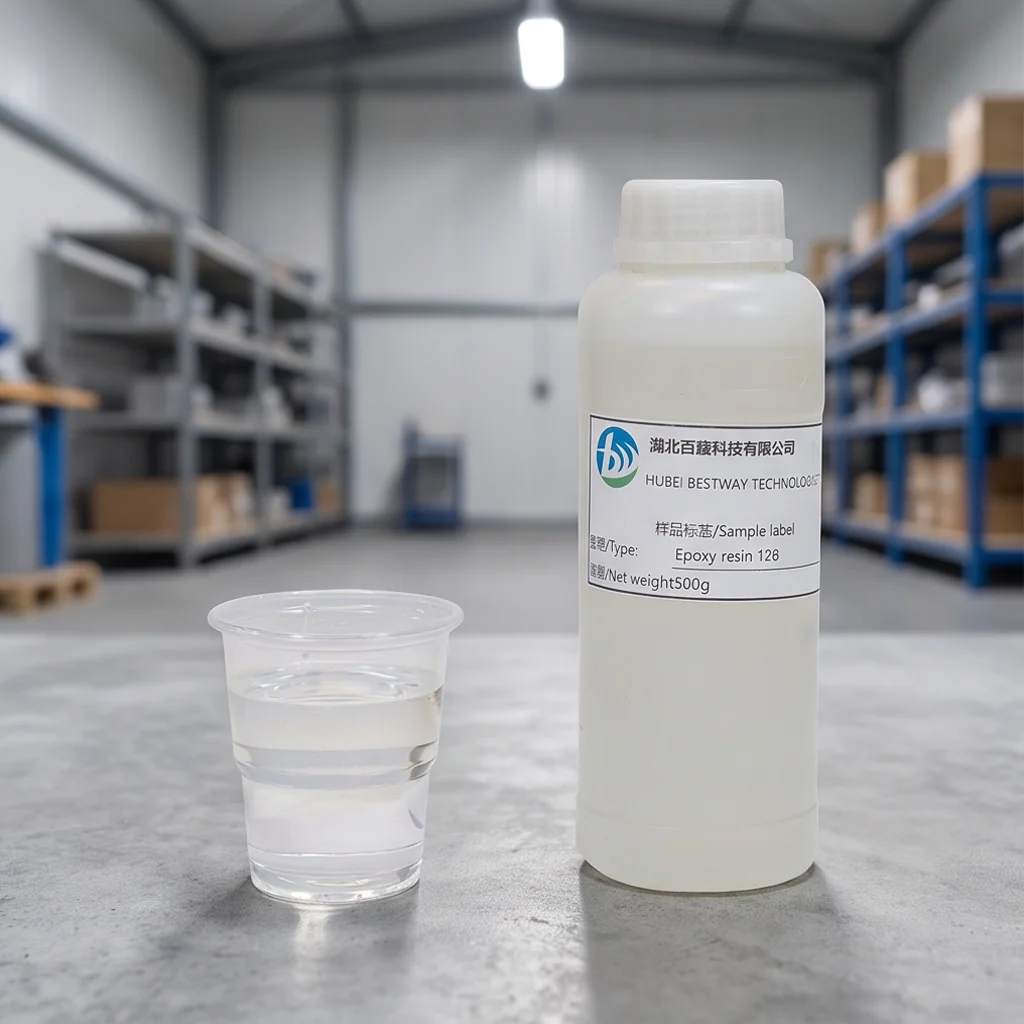
Epoxy curing agents—or epoxy hardeners—initiate and control the conversion of liquid epoxy resin into a crosslinked material. Their chemistry affects both processing and final performance, including pot life, cure speed, hardness development, adhesion, flexibility, chemical resistance, thermal behavior, and electrical properties.
China supplies a broad range of curing agents to domestic and international markets. In 2026, demand is being shaped by industrial and protective coatings, flooring, adhesives, construction, electrical insulation, and composite manufacturing. At the same time, buyers are placing greater emphasis on batch consistency, application fit, technical documentation, regulatory compliance, and total processing cost.
The market is therefore becoming more application-driven. A low unit price has limited value if a hardener creates an unsuitable working time, high exotherm, slow hardness development, surface defects, or inconsistent finished properties. Buyers and formulators need to evaluate the complete resin–hardener system under realistic production and service conditions.
1. Applications Shaping Demand in 2026
Demand for epoxy curing agents cannot be understood as a single market. Each application places different demands on cure behavior, installation conditions, final properties, and qualification procedures.
| Application Segment | Important Selection Requirements | 2026 Demand and Sourcing Considerations |
|---|---|---|
| Industrial and protective coatings | Adhesion, corrosion protection, chemical resistance, surface tolerance, and practical recoat time | Infrastructure maintenance and industrial asset protection support demand; field conditions often require balanced cure speed and working time. |
| Construction and flooring | Flow, pot life, hardness development, adhesion to concrete, appearance, and chemical resistance | Warehouse, factory, parking, and repair projects require systems matched to temperature, humidity, crew size, and return-to-service targets. |
| Adhesives and industrial bonding | Bond strength, flexibility, gap filling, cure profile, and substrate compatibility | Transportation, machinery, electrical equipment, and structural assembly create varied formulation requirements. |
| Electronics and electrical insulation | Controlled cure, dielectric performance, low contamination, thermal stability, and dimensional control | Qualification can be longer and specification control more demanding than in conventional applications. |
| Renewable energy and composites | Processing viscosity, working time, exotherm control, mechanical properties, and durability | Wind-energy and composite processes require curing systems validated for the selected manufacturing method and part geometry. |
Industrial Coatings and Corrosion Protection
Epoxy hardeners are widely used in coatings for steel structures, pipelines, process equipment, storage tanks, marine assets, and concrete surfaces. Maintenance schedules, exposure conditions, substrate preparation, and required service life all influence product selection.
Fast cure can shorten downtime, but it can also reduce usable pot life or increase heat generation. For this reason, coating formulators should compare thin-film cure, recoat behavior, adhesion, and chemical resistance rather than judging performance from gel time alone.
Construction and Flooring
Flooring and concrete-protection systems need a workable balance of flow, application time, surface appearance, cure speed, and final hardness. Ambient temperature, substrate temperature, humidity, film thickness, and installer capacity can materially change performance.
For high-gloss or high-performance flooring, buyers can review Hanepoxy’s as formulation candidates. Selection should be based on current technical data and testing in the complete filled or pigmented system.
Electronics, Electrical Insulation, and Composites
Casting, potting, encapsulation, and composite applications may require controlled reaction profiles, suitable thermal and dielectric properties, and dependable performance under heat, moisture, or mechanical stress. Process geometry also matters: a hardener suitable for a thin coating may generate excessive exotherm in a large casting.
Because these applications often have tighter specifications and longer approval cycles, buyers should define test methods, cure schedules, and acceptance criteria before comparing suppliers.
2. Major Types of Epoxy Curing Agents
Curing-agent families provide different performance tendencies, but the finished result depends on the specific grade, modification, resin, mix ratio, additives, fillers, cure conditions, and test method. The following comparison should therefore be used for initial screening rather than as a substitute for formulation trials.
| Curing Agent Type | Typical Performance Characteristics | Common Applications | Key Evaluation Points |
|---|---|---|---|
| Aliphatic amine and modified amine | High reactivity, adjustable cure speed, strong hardness development, and broad formulation flexibility | Flooring, adhesives, repair materials, and industrial coatings | Pot life, surface appearance, moisture sensitivity, exotherm, and handling characteristics |
| Polyamide | Flexibility, substrate wetting, adhesion, water resistance, and useful corrosion-protection performance | Marine and structural-steel primers, maintenance coatings, and adhesives | Cure speed, viscosity, color, chemical resistance, and low-temperature performance |
| Cycloaliphatic amine | Good hardness, gloss, chemical resistance, and improved color stability in suitable formulations | High-performance flooring, coatings, adhesives, and selected electrical systems | Mix ratio, cure profile, blush resistance, viscosity, and formulation compatibility |
| Anhydride | Controlled elevated-temperature cure with suitable thermal and electrical performance | Electrical casting, insulation, potting, and composites | Cure temperature, catalyst requirement, moisture control, and processing time |
| Specialty modified hardener | Tailored low-temperature cure, viscosity, flexibility, surface tolerance, or chemical resistance | Application-specific coatings, adhesives, flooring, repair, and composite systems | Verify the claimed benefit in the full formulation and intended environment |
Amine-Based and Modified-Amine Hardeners
Amine chemistry covers a wide range of products rather than one uniform class. Modification can change viscosity, reaction speed, mix ratio, surface appearance, flexibility, and handling. Buyers should compare individual specifications and application data instead of assuming that all amine hardeners behave alike.
Polyamide Curing Agents
Polyamides are commonly considered for protective primers, maintenance coatings, and adhesives where wetting, flexibility, adhesion, and practical field application are important. Hanepoxy’s can be screened against the required pot life, viscosity, cure conditions, and corrosion-protection formulation.
Cycloaliphatic Amine Curing Agents
Cycloaliphatic hardeners are often evaluated for systems requiring hardness, gloss, chemical resistance, and controlled appearance. Their suitability still depends on the specific modification and formulation. Published or supplier test results should be checked for film thickness, temperature, humidity, resin type, and cure schedule.
Anhydride and Specialty Systems
Anhydrides are used in selected electrical, casting, and composite processes, frequently with controlled thermal curing. Specialty hardeners may be formulated for low-temperature work, fast return to service, reduced viscosity, improved flexibility, or difficult substrates. In both cases, process requirements should be defined before material selection.
3. Five Epoxy Hardener Market Trends to Watch
Trend 1: Selection Is Moving Toward System-Level Performance
Customers increasingly judge a hardener by the behavior of the complete formulation. Pot life, gel time, thin-film set, tack-free time, hardness development, adhesion, appearance, and resistance properties should be evaluated together. A product that performs well in a clear laboratory mix may behave differently after pigments, fillers, diluents, or additives are introduced.
Trend 2: Efficient Cure Must Be Balanced with Processability
Shorter cure cycles can improve throughput and reduce downtime, but excessively fast reaction can shorten application time, increase waste, trap air, or produce unsafe exotherm in bulk mixes. The best curing profile is the one that fits mixing, application, film thickness, production rate, and required final properties.
Trend 3: Lower-Emission Systems Require Coordinated Formulation
Interest in low-VOC, high-solids, solvent-free, and waterborne systems continues across coatings and construction applications. The curing agent cannot deliver compliance or performance alone; resin, diluents, additives, pigments, and application method must be evaluated as one system. Suppliers should avoid treating “low emission” as a universal product claim without relevant test conditions and regulatory context.
Trend 4: Consistency and Documentation Are Becoming Stronger Buying Criteria
International buyers increasingly expect controlled specifications, recent COAs, current TDS and SDS documents, traceability, change notification, and dependable manufacturing. These requirements are especially important where small changes in viscosity, amine value, color, water, or cure response may disrupt production.
Trend 5: China Offers Choice, but Qualification Remains Essential
China’s broad manufacturing base allows buyers to compare multiple hardener chemistries and suppliers. Effective sourcing still requires more than comparing quotations. Application compatibility, batch consistency, technical communication, packaging, export experience, delivery reliability, and the cost of requalification all affect purchasing value.
4. How to Choose the Right Epoxy Curing Agent
Begin with the application and process rather than a generic product category. A useful selection brief should answer the following questions:
-
Is the material intended for a coating, floor, adhesive, casting, potting compound, repair system, or composite?
-
Which epoxy resin, reactive diluent, filler, pigment, and additive package will be used?
-
What are the resin epoxy equivalent weight and the hardener active hydrogen equivalent weight?
-
What mixing volume, film thickness, or casting mass is expected?
-
Which application and cure temperatures are realistic, including seasonal extremes?
-
How much pot life, open time, thin-film set time, and return-to-service time are required?
-
Which mechanical, chemical, thermal, appearance, or electrical properties must be achieved?
-
Are color stability, moisture tolerance, low odor, low emissions, or outdoor exposure important?
-
Which documentation and regulatory requirements apply in the destination market?
Stoichiometric calculations are only a starting point. Recommended phr, formulation solids, acceleration, and cure schedule can vary among modified hardeners. Buyers should obtain the current supplier guidance and validate the product in the intended formulation before commercial-scale production.
5. What International Buyers Should Expect from Suppliers
A qualified supplier should be able to provide:
-
A current TDS, SDS, product specification, and representative COA.
-
Clearly identified test methods, units, and specification limits.
-
Guidance on compatible resin types, starting mix ratios, and realistic cure conditions.
-
Packaging, storage, shelf-life, minimum-order, and lead-time information.
-
Export, transport, labeling, and destination-market documentation where applicable.
-
A process for technical questions, sample evaluation, complaints, and change notification.
Buyers should also ask whether quoted specifications are release limits or typical values. For critical applications, compare several batches, test retained samples, and agree on inspection and claim procedures before increasing order volume.
The most useful commercial comparison is total application cost. A cheaper hardener may cost more if it requires longer cure time, creates additional rework, produces inconsistent appearance, or increases rejected batches.
6. Frequently Asked Questions
What affects the price of epoxy curing agents?
Pricing is influenced by raw materials, chemistry, active content, manufacturing complexity, specification limits, order volume, packaging, transport classification, freight, and technical-service requirements. Products with similar descriptions may not have the same composition or application performance.
Can one curing agent be used with every epoxy resin?
No. Suitability depends on resin chemistry, epoxy equivalent weight, hardener functionality, stoichiometry, formulation ingredients, processing conditions, cure schedule, and required final properties. Compatibility and performance should be confirmed through testing.
What are the main epoxy curing agents supplied from China?
Common categories include aliphatic and modified amines, polyamides, cycloaliphatic amines, anhydrides, and application-specific formulated hardeners. Actual availability, regulatory status, and export suitability vary by supplier and destination.
How should buyers compare epoxy hardener suppliers?
Compare specification control, recent batch data, formulation compatibility, test results, technical response, packaging, lead time, export documentation, change-control practices, and total landed and application cost—not price alone.
7. Outlook for 2026 and Beyond
The 2026 epoxy curing agent market outlook is shaped by diverse downstream demand and a stronger focus on processing efficiency, verified performance, documentation, and supply reliability. Industrial protection, flooring, adhesives, electrical systems, and composites will continue to require different curing profiles rather than a single universal solution.
For manufacturers and formulators, the opportunity lies in matching chemistry to a clearly defined process and end use. For international buyers, the most dependable sourcing strategy combines technical screening, controlled sample testing, documentation review, and commercial risk assessment.
Hanepoxy supplies epoxy resin and curing-agent candidates for a range of industrial formulations.
Table of Contents
- Introduction
- 1. Applications Shaping Demand in 2026
- 2. Major Types of Epoxy Curing Agents
-
3. Five Epoxy Hardener Market Trends to Watch
- Trend 1: Selection Is Moving Toward System-Level Performance
- Trend 2: Efficient Cure Must Be Balanced with Processability
- Trend 3: Lower-Emission Systems Require Coordinated Formulation
- Trend 4: Consistency and Documentation Are Becoming Stronger Buying Criteria
- Trend 5: China Offers Choice, but Qualification Remains Essential
- 4. How to Choose the Right Epoxy Curing Agent
- 5. What International Buyers Should Expect from Suppliers
- 6. Frequently Asked Questions
- 7. Outlook for 2026 and Beyond