 EN
EN

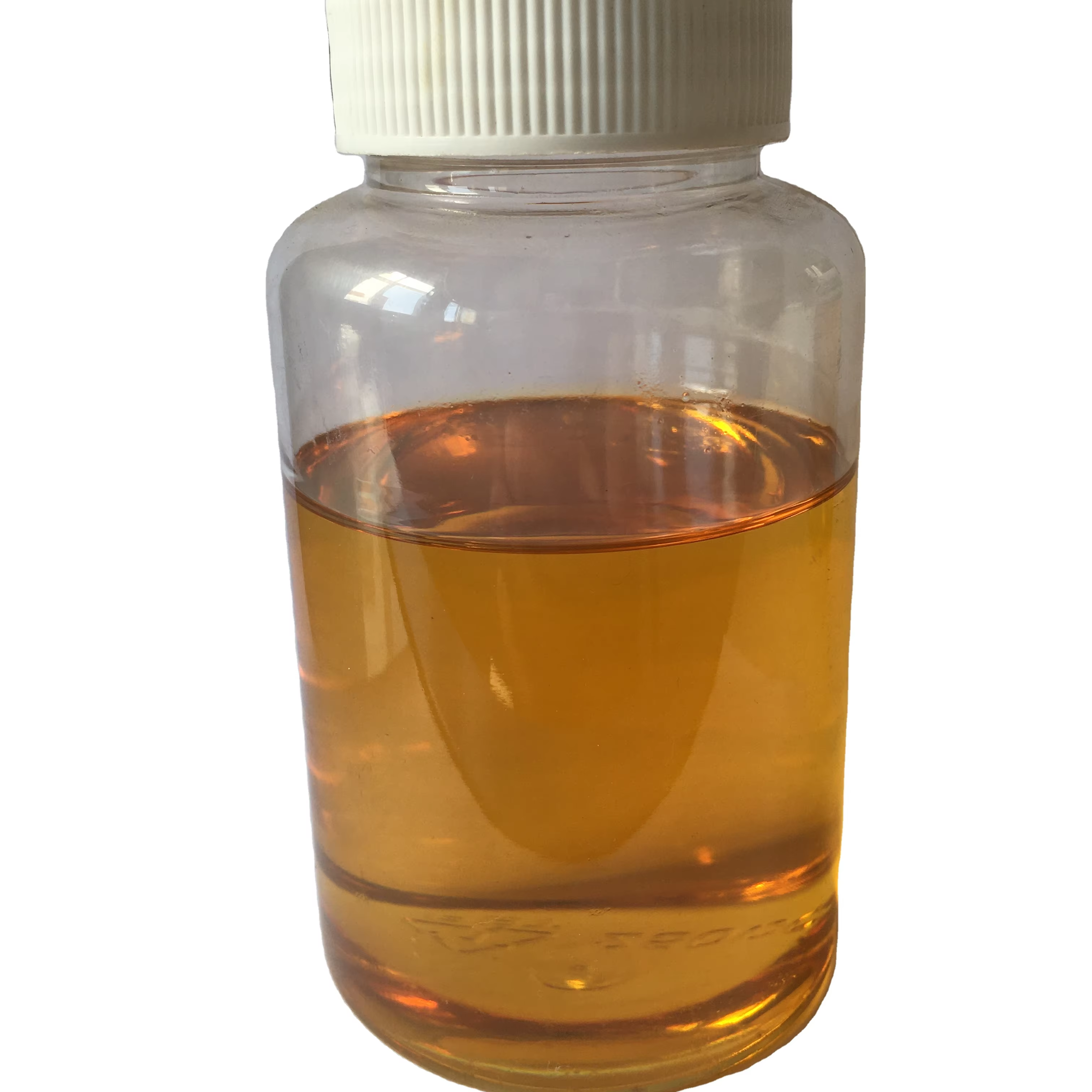
Why Fast-Curing Epoxy Hardeners Minimize Downtime in Critical Infrastructure Repairs
The 72-hour urgency window in emergency bridge, tunnel, and transit repairs
When infrastructure fails, time becomes absolutely critical. Bridges collapse, tunnels flood, transit systems shut down - engineers often have just three days to get things partially back online before the economy starts feeling real pain. Regular epoxy products take at least a day to set properly, which simply doesn't work when roads need reopening fast. According to findings from the Infrastructure Resilience Institute last year, around three quarters of repair teams will choose faster setting materials even if they cost more money during these crisis situations. The financial hit keeps growing too. Municipal budgets take a beating with each extra hour a bridge remains closed. We're talking about roughly seven hundred forty thousand dollars lost per hour due to rerouting traffic, disrupted supply chains, and all sorts of emergency management challenges. These numbers explain why construction companies are constantly looking for new formulas that can skip past those standard curing requirements altogether.
How accelerated epoxy hardener crosslinking restores structural serviceability in under 4 hours
The latest generation of diethylenetriamine (DETA) based hardeners is changing how fast repairs can be completed thanks to faster molecular crosslinking processes. Regular epoxy systems typically take four hours or more just to start setting properly. But these special formulations kick off the polymerization process much quicker, usually between 15 to 25 minutes after application. Most impressive? Structures can actually handle loads over 18 MPa within just four hours total. What makes this possible? Modified amine structures work as catalysts for the resin reaction while still maintaining strong adhesion properties. For contractors working on tight schedules, this means getting jobs done faster without sacrificing quality or durability.
- Temperature resilience: Performance remains consistent at 5–10°C where traditional hardeners fail
-
Precision placement: Controlled viscosity during the compressed gel phase prevents sagging on vertical surfaces
The resulting time savings prove transformative—a repaired tunnel joint becomes traffic-ready within a single shift rather than days—directly translating to minimized public disruption and revenue recovery.
Epoxy Hardener Chemistry: Selecting the Right Fast-Cure System for Field Conditions
Amine-based vs. mercaptan-based epoxy hardener performance: cure speed, adhesion, and temperature sensitivity
Epoxy hardeners based on amines can cure really fast at normal room temps, sometimes letting workers handle repaired structures in less than 90 minutes flat. That makes these products great choices when there's no time to wait for repairs on roads or bridges. The way these molecules are structured gives them amazing grip on both concrete and steel surfaces too, holding together with forces over 3,000 pounds per square inch according to ASTM standards. But watch out for cold weather conditions because these materials get temperamental below 50 degrees Fahrenheit. When temps dip below 10 Celsius, curing slows down by about two thirds, which means parts might not fully harden if left outside during winter months. Mercaptan type hardeners work better in varying temperatures from around 41 up to 95 degrees Fahrenheit thanks to sulfur chemistry that keeps reactions going steadily. They just don't stick as well to smooth surfaces compared to amine versions, usually lagging behind by roughly 15 to 20 percent. Both types help fix structures back to working condition within those crucial four hour periods needed for traffic or operations to resume, but amine formulas generally finish setting completely about 30 percent quicker when everything is at comfortable room temperature.
Trade-offs decoded: pot life, exotherm control, and long-term durability of rapid-cure epoxy hardener formulations
Accelerated epoxy hardener formulations require careful balancing of three key parameters:
| Parameter | Amine Trade-offs | Mercaptan Trade-offs |
|---|---|---|
| Pot life | 8–15 minutes at 25°C (77°F) | 12–25 minutes at 25°C (77°F) |
| Exotherm peak | 120–160°C (248–320°F) in thick sections | 90–130°C (194–266°F) with lower risk |
| 10-year durability | 95% strength retention in dry conditions | 98% retention with superior UV resistance |
Amines that react quickly need really careful mixing and must be applied pretty much right away, whereas mercaptans give workers more room to work with but might need special primers first. Neither option holds up as well over time against chemicals as the slower curing products do. Quick setting formulas tend to lose around 10 to 15 percent of their ability to resist acids after just five years according to NACE standards. When choosing between these options, most contractors find themselves picking based on what matters most for the job at hand. If time is absolutely critical, then amines make sense despite all the fuss required. But when working conditions vary a lot with temperature changes throughout the day, mercaptans usually come out ahead.
Optimizing Application Integrity: Matching Epoxy Hardener Speed to Project Requirements
Dual-cure epoxy hardener systems: achieving 30-minute tack-free time and 4-hour load-bearing strength
Dual cure epoxy hardeners work differently from regular ones because they form surfaces quickly on top while still curing all the way through. This makes them really important when time matters most in construction jobs. Most systems will give us a surface that's not sticky anymore in about half an hour, which is super important for keeping dust and dirt out during repairs on bridges or tunnels. At the same time, these materials reach full strength in just four hours total. For emergency fixes on roads and highways, this means getting traffic back moving again almost twice as fast compared to older methods. What happens chemically is pretty neat too. The formula balances two different reactions one starts with amines and another gets going with something called mercaptans. This combination keeps heat spikes low below 140 degrees Fahrenheit but still gives workers enough working time around 15 to 20 minutes before mixing. And here's what actually matters most structural connections end up with over 3500 pounds per square inch of strength very quickly, no need to wait weeks for things to set properly. Plus they hold up well even if there's moisture around, unlike many other quick setting products that just don't work right when wet.
FAQ
What are the advantages of using fast-curing epoxy hardeners?
Fast-curing epoxy hardeners minimize downtime during critical infrastructure repairs by allowing structures to handle loads within just a few hours. This is crucial in situations such as bridge collapses, tunnel flooding, or transit system shutdowns where time is of the essence.
What is the difference between amine-based and mercaptan-based epoxy hardeners?
Amine-based hardeners cure quickly at room temperature and have excellent adhesion to concrete and steel. However, they can be less effective in cold temperatures. Mercaptan-based hardeners perform better across a range of temperatures but may not adhere as well to smooth surfaces as amine-based hardeners.
What are dual-cure epoxy hardener systems?
Dual-cure epoxy hardeners allow for rapid surface cure with sustained overall curing. They offer a tack-free surface in 30 minutes and attain full load-bearing strength in 4 hours, making them ideal for rapid repairs in construction jobs.
Are there any downsides to using fast-curing epoxy hardeners?
Fast-curing epoxy hardeners may not be as durable over time when exposed to certain chemicals compared to slower-curing products. They may also require careful attention during mixing and application.