 EN
EN

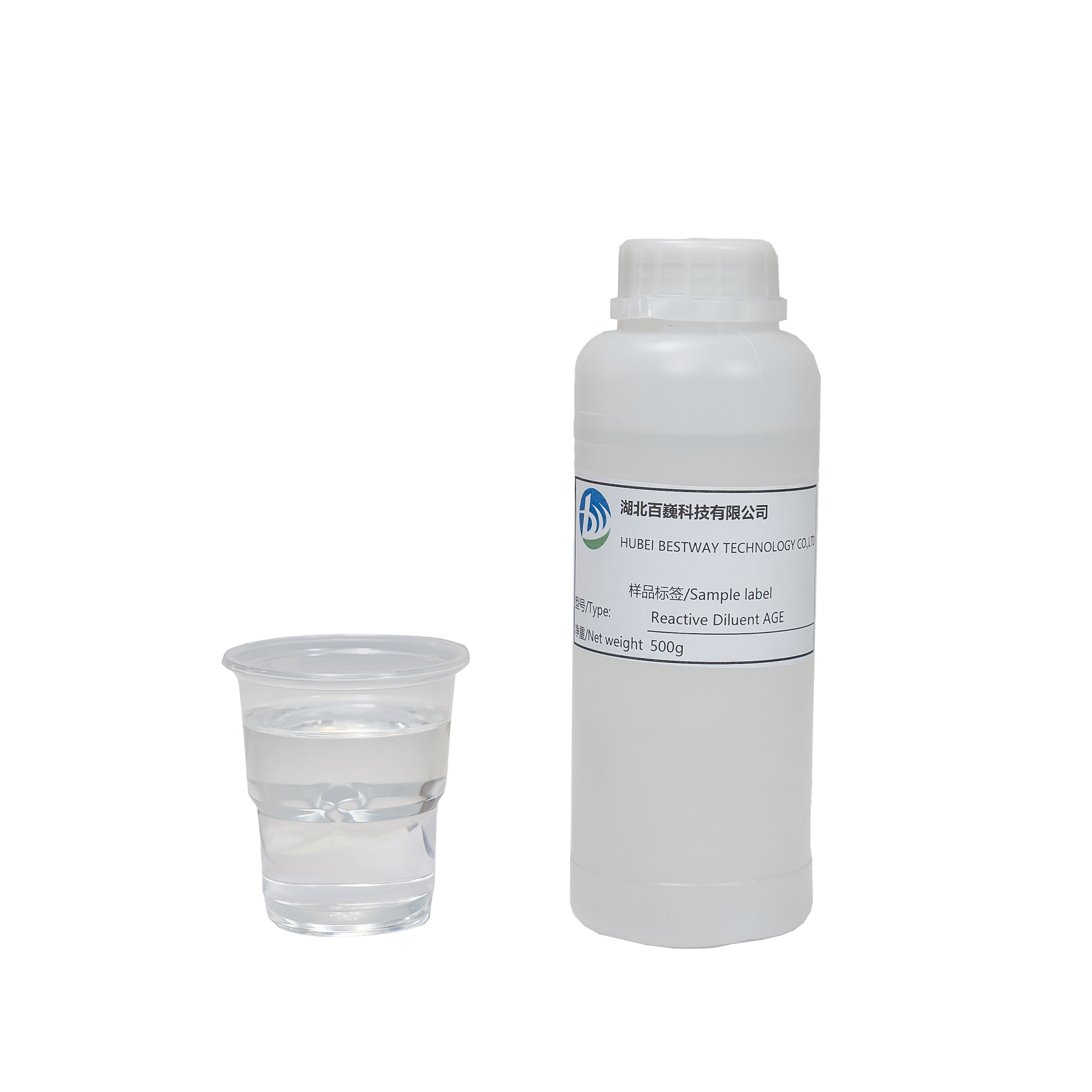
Why Epoxy Diluents Are Essential for High-Viscosity Resin Processing
Working with high viscosity epoxy resins can be quite challenging for manufacturers. Common problems include poor wetting of fillers, uneven coatings that vary in thickness, and lots of trapped air when molding parts. Fortunately, epoxy diluents help solve most of these headaches by cutting down the resin's thickness significantly, sometimes making it almost 90% less viscous. This makes mixing much easier, allows fibers to get fully saturated, and helps apply the material evenly even in complex mold designs. Some special reactive diluents actually cut viscosity by more than ten times without dropping the glass transition temperature below 90 degrees Celsius, so the material still performs well under heat. Good diluent selection does more than just improve flow characteristics though. It also speeds up curing processes and boosts important mechanical traits like how well the final product stands up to impacts. For applications where production speed matters as much as structural strength, finding the right diluent becomes absolutely essential.
Reactive vs. Non-Reactive Epoxy Diluents: Balancing Flow, Cure Chemistry, and End-Use Integrity
Understanding the fundamental distinction between reactive and non-reactive epoxy diluent types dictates formulation success. This choice directly affects viscosity control, curing behavior, and long-term product integrity across composites, adhesives, and protective coatings.
How Reactive Epoxy Diluents Integrate into the Network and Affect Crosslink Density
Reactive diluents typically have either epoxy or hydroxyl functional groups that get involved in those crosslinking reactions during processing. When these molecules form covalent bonds inside the polymer network, they can cut down on the initial viscosity by around 40 to maybe even 60 percent, which makes things easier to work with during manufacturing. They also help keep that final hardness above 80 Shore D level while maintaining good chemical resistance properties. Plus, the crosslink density goes up in line with how many reactive sites each molecule has. On the flip side, single functional glycidyl ethers such as butyl glycidyl ether (BGE) tend to bring down the glass transition temperature (Tg) by approximately 10 to 15 degrees Celsius if used instead of regular resin monomers. This is why proper dosing becomes so critical in applications where we need higher Tg values to maintain performance under demanding conditions.
Non-Reactive Epoxy Diluents: Volatility, Migration Risks, and Long-Term Property Drift
Aromatic and aliphatic esters serve as temporary plasticizers that don't integrate into materials through chemical bonds. But there are problems with this approach. Volatility losses can reach around 15% of total mass during curing processes. Strength tends to drop by at least 20% within a year due to migration issues. Plus, both thermal stability and adhesion properties degrade gradually over time. For these reasons, most manufacturers only use non-reactive diluents for things like temporary adhesives that need to be removed later or gap fillers meant for short service periods. They simply aren't suitable for structural components where long term performance matters.
Selecting the Right Epoxy Diluent: Matching Chemistry to Application Requirements
Glycidyl Ethers (BGE, PGE) for Enhanced Reactivity and Low-Viscosity Structural Formulations
Glycidyl ethers like butyl glycidyl ether (BGE) and phenyl glycidyl ether (PGE) function as mono-functional reactive diluents that become part of the epoxy network when cured. These compounds actually take part in the crosslinking process, which cuts down on viscosity by quite a bit over 70% without messing with thermal stability. The way they chemically integrate helps cut VOC emissions too, making them better at wetting out fibers something really important in aerospace and automotive composites where strength needs to match weight requirements. There's one catch though: since BGE tends to lower the glass transition temperature (Tg), any formulation meant for high temperature applications needs to either restrict how much BGE is used or combine it with other diluents that have more functionality.
Non-Glycidyl Options (Aliphatic Esters, Polyether Modifiers) for Low-VOC, High-Stability Applications
When dealing with ultralow-VOC demands and maintaining dimensional stability, especially for applications such as encapsulating electronics or laying down commercial floors, there are alternatives beyond glycidyl compounds worth considering. Aliphatic esters and specially designed polyether modifiers stand out because they actually break apart those tangled polymer chains, cutting viscosity significantly – sometimes as much as 85%. Plus, these materials won't interfere with amine-based curing processes which is a big plus for many manufacturers. However, there's one drawback worth mentioning. Since these additives don't form strong chemical bonds with the main resin structure, they tend to migrate over time, especially when exposed to moisture. Some lab tests show that after extended periods, this migration can lead to around 15 to 20 percent reduction in compressive strength. Fortunately, newer versions of modified polyethers have started addressing this issue through clever chemistry tricks. They incorporate special anchoring points that stick to the epoxy matrix, keeping VOC emissions below 50 grams per liter while still ticking all the boxes for green certifications including LEED standards and Declare Labels.
Practical Guidelines for Incorporating Epoxy Diluents Without Compromising Final Properties
Optimizing epoxy formulations requires strategic viscosity reduction without sacrificing mechanical or thermal performance. Evidence-based best practices include:
- Reactive diluent blending: Combine mono-functional (10–12%) and trifunctional diluents (5–7%) to achieve ~18% viscosity reduction while minimizing crosslink density loss. Trifunctional options like butanediol diglycidyl ether help preserve network rigidity and long-term property stability.
- Hybrid catalyst integration: Counteract potential cure inhibition from hydroxyl-rich diluents using accelerators such as zinc octoate—ensuring full polymerization without extending cycle times.
- Nanoadditive compensation: Incorporate 0.5–1.0% nanosilica to recover 85–90% of hardness in high-diluent systems, offsetting plasticization effects while boosting abrasion resistance.
When applied collectively, these approaches keep tensile strength reductions below 25% versus undiluted benchmarks. For structural applications, prioritize multifunctional reactive diluents and validate performance through ASTM D3418-compliant accelerated aging tests—especially when using non-reactive variants, where migration-related strength degradation of up to 20% may occur over five years.
FAQ
What are epoxy diluents used for?
Epoxy diluents are used to reduce the viscosity of high-viscosity epoxy resins, making them easier to mix, apply, and cure. They improve flow characteristics and speed up curing processes while enhancing mechanical traits.
What's the difference between reactive and non-reactive epoxy diluents?
Reactive epoxy diluents integrate into the polymer network, affecting crosslink density and maintaining hardness, while non-reactive diluents act as temporary plasticizers, leading to potential volatility and migration issues.
Are there any drawbacks to using epoxy diluents?
The main drawbacks include potential volatility losses with non-reactive diluents and reduced glass transition temperatures with certain reactive diluents like butyl glycidyl ether. Proper selection and dosing are critical to mitigating these effects.
How can I select the right epoxy diluent for my application?
Consider the chemistry, target viscosity, thermal stability, and end-use requirements. For low-VOC and high-stability needs, non-glycidyl options like aliphatic esters and polyether modifiers can be considered, while glycidyl ethers offer enhanced reactivity for specific structural applications.
Table of Contents
- Why Epoxy Diluents Are Essential for High-Viscosity Resin Processing
- Reactive vs. Non-Reactive Epoxy Diluents: Balancing Flow, Cure Chemistry, and End-Use Integrity
- Selecting the Right Epoxy Diluent: Matching Chemistry to Application Requirements
- Practical Guidelines for Incorporating Epoxy Diluents Without Compromising Final Properties
- FAQ