 EN
EN

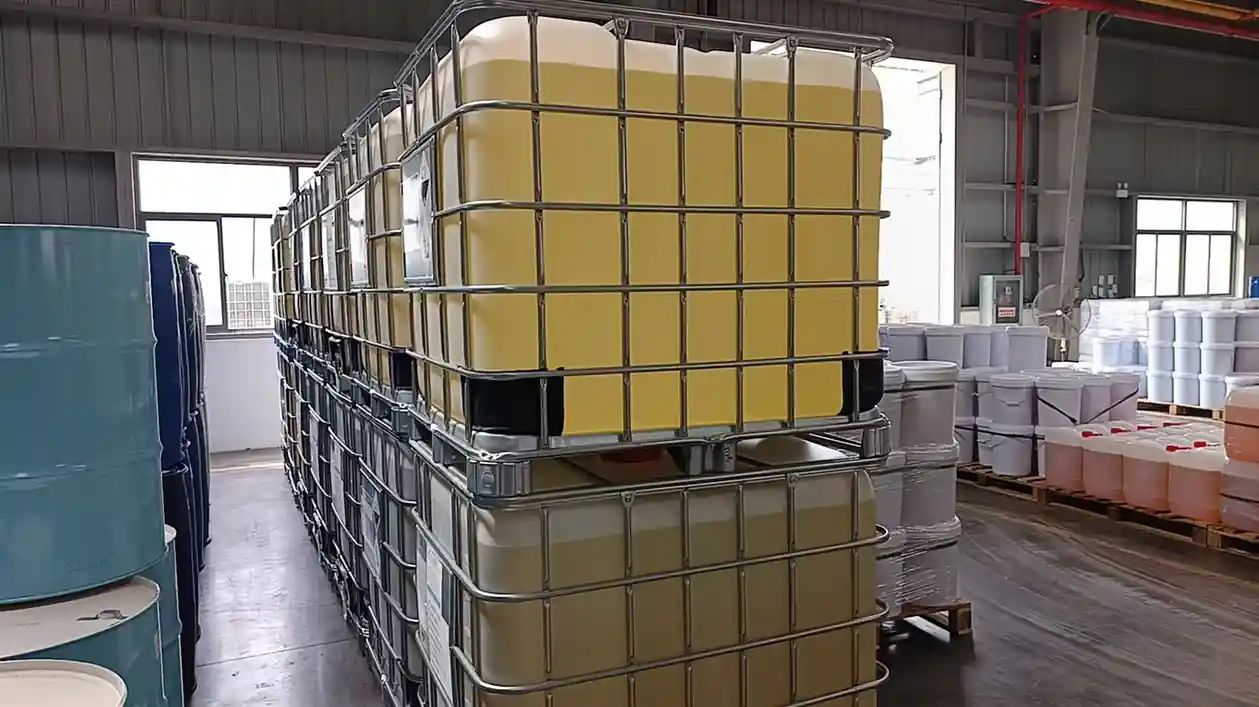
For a chemical resistant epoxy system that must perform at elevated temperature, aromatic amine curing agents are a strong technical starting point. These products are selected when thermal stability, high-temperature performance, and chemical resistance are key. Metaphenylenediamine, methylenedianiline, and diaminodiphenyl sulfone also provide high temperature resistance and somewhat better chemical resistance than aliphatic amine curing agents. They are solid materials and require mixing with resin at 65–95°C. Modified aromatic amine grades can improve some handling and cure-profile tradeoffs compared with unmodified aromatic amines, but procurement teams should still require supplier data for cured Tg, mix ratio, amine value, viscosity, and lot-specific quality control.
Executive Summary and Buyer Takeaway
The table below consolidates the primary technical comparisons relevant to supplier comparison or RFQ specification for high temperature resistant coatings.
| Decision factor | What the sourced data shows | What to specify or verify |
|---|---|---|
| Thermal stability | Aromatic amine hardeners are used when thermal stability and high-temperature performance are key. | Require cured Tg under the exact resin and cure schedule rather than a generic “heat resistant” label. |
| Chemical and solvent exposure | Aromatic amines give somewhat better chemical resistance than aliphatic amine curing agents. Modified aromatic amine ranks second only to cycloaliphatic in solvent resistance among the listed hardeners. | Test against the actual chemical mixture, concentration, temperature, and contact time. |
| Processing | MPDA, MDA, and DADPS are solid and are incorporated by mixing with resin at 65–95°C. | Ask whether the modified grade still requires heated mixing or a preheat step. |
| Low-temperature cure | Modified aromatic amine ranks above polyamide adduct, amido amine, polyamide, and unmodified aromatic amine, but below aliphatic and cycloaliphatic amines. | Do not select it first if low-temperature cure is the primary requirement. |
| Film drying | Modified aromatic amine ranks above polyamide and unmodified aromatic amine, but below cycloaliphatic and aliphatic amine technologies. | Specify dry time and test under actual application conditions. |
| Adhesion | In the available comparison, unmodified aromatic amine ranks lowest among the listed hardeners; no adhesion position is provided for modified aromatic amine. | Do not transfer the unmodified ranking to a modified grade. Request formulation-specific adhesion data for the intended substrate. |
| Color and appearance | Aromatic amine ranks below cycloaliphatic, aliphatic, and polyamide systems in color and appearance. | Set color limits if the coating is cosmetic or color-sensitive. |
Buyer takeaway: Select aromatic amine or modified aromatic amine hardeners when heat resistance plus chemical resistance are primary requirements. Do not base an RFQ on “high temperature resistant” alone. Specify cured Tg, mix ratio, amine value, viscosity, drying behavior, chemical immersion performance, and substrate-specific adhesion. The comparative data support improved cure and handling positions for modified aromatic amines, but they do not establish a universal adhesion ranking for modified grades.
Aromatic Amine Selection: Heat, Chemical Resistance, and Cure Trade-offs
Aromatic amine hardeners justify evaluation when a high temperature resistant coating must handle sustained heat and aggressive media. Aromatic amine-based products target epoxy systems where thermal stability, high-temperature performance, and chemical resistance are important.
MPDA, MDA, and DADPS provide high temperature resistance and somewhat better chemical resistance than aliphatic amine curing agents. That combination makes the aromatic amine route a logical candidate for liquid epoxy coatings exposed to heat plus chemicals, not just heat alone.
Traditional epoxy/polyamide coatings have served the coatings industry for more than 40 years, but newer curative technologies were developed to eliminate some known polyamide limitations. Modified aromatic amine hardeners fit that newer curative toolkit when a formulator needs better solvent or chemical exposure without switching fully to a cycloaliphatic system.
Treat “aromatic amine” and “modified aromatic amine” as distinct product categories. The comparative rankings show real differences in cure and handling.
Low-temperature curable property, from good to poor: aliphatic amine > cycloaliphatic > modified aromatic amine > polyamide adduct > amido amine > polyamide > aromatic amine. Modification improves low-temperature cure compared with unmodified aromatic amine, but does not match aliphatic or cycloaliphatic amines.
Solvent resistance follows a different order: cycloaliphatic > modified aromatic amine > amido amine > aliphatic amine > polyamide. This is a key reason to specify modified aromatic amine: better solvent resistance than several common alternatives, while retaining aromatic amine heat performance.
Film drying, from fast to slow, places modified aromatic amine below cycloaliphatic and aliphatic technologies but above polyamide and unmodified aromatic amine. That provides a middle position; drying improves over unmodified aromatic amine without adopting the fastest but potentially less chemical-resistant aliphatic systems.
Adhesion requires a separate formulation-level check. In the available comparison, the order is polyamide > amido amine > cycloaliphatic amine > aliphatic amine > unmodified aromatic amine. Modified aromatic amine is not included in that adhesion ranking, so it is not valid to assume that a modified grade also ranks last—or that it is the best option. Because the unmodified chemistry performs poorly in that comparison and modified-grade adhesion is not guaranteed, buyers should verify adhesion on the actual steel or other substrate using the complete coating formulation. Color and appearance should likewise be checked when the coating is cosmetic or color-sensitive.
Thermal Stability, Tg, and the Chemical-Resistant Epoxy Balance
A high temperature resistant coating should not be specified only as “heat resistant.” Aromatic amines are selected when thermal stability and high-temperature performance are key, but Tg depends on the resin and cure schedule. Confirm the achievable cured Tg with the supplier for your exact epoxy resin, mix ratio, and cure schedule.
Heat and chemical resistance remain the main reasons to consider aromatic amine systems. Aromatic amines provide high temperature resistance and somewhat better chemical resistance than aliphatic amine curing agents. Where solvent exposure is expected, the modified aromatic amine solvent-resistance ranking provides useful evidence for a formulation review. Buyers still need to test the specific chemical mixture, concentration, temperature, and contact time. The available rankings are comparative, not numeric performance values.
Specification checklist:
-
State the required service temperature and exposure time.
-
Request cured Tg data from the hardener supplier for your specific resin.
-
Require chemical-resistance test data or test panels under the end-use media.
-
Confirm whether the product is a modified aromatic amine grade or a solid unmodified aromatic amine such as MPDA, MDA, or DADPS.
Mixing, Viscosity, Mix Ratio, and Quality Control for Bulk Buyers
MPDA, MDA, and DADPS are solid curing agents. They are incorporated into epoxy formulations by mixing with resins at 65–95°C. That temperature requirement affects production planning, tank heating capability, and handling procedures.
For a modified aromatic amine, do not assume the same handling profile as the solid unmodified grades. Ask whether the product is liquid, semi-solid, or solid, and request as-supplied viscosity plus the recommended preheat temperature. Amine value and viscosity should be mandatory certificate of analysis parameters rather than assumed from a supplier datasheet.
Avoid fixing a generic hardener percentage before the supplier knows your epoxy resin. Resin type, epoxy equivalent weight, and lot-specific amine value all affect the correct formulation. Request the recommended phr or stoichiometric mix ratio for your specific resin, then confirm it through laboratory film curing and performance testing.
For high-temperature powder coating or molding-compound inquiries, confirm whether an o-cresol novolac hardener or phenolic accelerator is more appropriate. A 165℃ o-cresol novolac hardener is listed for use in high-temperature-resistant molding compounds and powder coatings. This is a different hardener type from an aromatic amine curing agent, so product selection should match the application format.
Quality control checklist:
-
Amine value and viscosity: Ask for actual lot values on the certificate of analysis.
-
Color and appearance: Define a clear acceptance limit. Aromatic amine ranks lower than cycloaliphatic, aliphatic, and polyamide systems for color and appearance.
-
Cure response: Request gel time or film drying data for the supplied lot. Modified aromatic amine is not the fastest-drying option, so drying behavior should be verified under your conditions.
-
Adhesion evidence: The low ranking applies to unmodified aromatic amine, not automatically to modified aromatic amine. Require adhesion test panels or an agreed test method for the exact hardener, formulation, surface preparation, and metal substrate.
-
Chemical resistance: Request solvent-resistance evidence referencing the modified aromatic amine ranking versus amido amine, aliphatic amine, and polyamide. Do not substitute a ranking for end-use chemical immersion testing.
-
Packaging and storage: Confirm whether heated storage, nitrogen blanketing, or special handling is needed because solid aromatic amines are processed at 65–95°C.
FAQ: Aromatic Amine Hardeners for High-Temperature Coatings
What makes aromatic amine hardeners suitable for high temperature resistant coatings?
Aromatic amine-based products are high-performance curing agents for epoxy resins when thermal stability, high-temperature performance, and chemical resistance are key.
Do aromatic amine hardeners require heated mixing?
The common aromatic amines MPDA, MDA, and DADPS are solid and are incorporated into epoxy formulations by mixing with the resins at 65–95°C. For a modified aromatic amine, confirm with the supplier whether heated mixing is still required.
Are aromatic amine hardeners more chemical resistant than aliphatic amines?
Yes. Aromatic amines provide somewhat better chemical resistance than aliphatic amine curing agents. In solvent resistance ranking, modified aromatic amine is positioned above amido amine, aliphatic amine, and polyamide, but below cycloaliphatic.
Can modified aromatic amine hardeners be used for low-temperature cure?
They can be considered, but they are not the first choice. The low-temperature curable property ranking is: aliphatic amine > cycloaliphatic > modified aromatic amine > polyamide adduct > amido amine > polyamide > aromatic amine.
Are aromatic amine hardeners the same as o-cresol novolac hardeners for powder coatings?
No. Aromatic amine hardeners and o-cresol novolac hardeners are different chemistries. A 165℃ o-cresol novolac hardener is listed for use in high-temperature-resistant molding compounds and powder coatings. Confirm the product type with the supplier for the intended coating format.
RFQ and Specification Checklist
When requesting a quotation from modified aromatic amine hardener manufacturers or suppliers, include the following points to make the response technically comparable:
-
Required service temperature, exposure time, and chemical environment.
-
Aromatic amine type: modified aromatic amine or unmodified MPDA, MDA, or DADPS.
-
Cured Tg target using your actual epoxy resin and cure schedule.
-
Amine value, viscosity, color, and appearance acceptance limits.
-
Recommended phr or mix ratio for the buyer’s specific resin.
-
Solvent-resistance data or test protocol for the target media.
-
Drying or gel time requirement under production conditions.
-
Adhesion requirement and test method for the intended metal substrate.
-
Packaging, storage stability, and any heated-storage or preheat requirement.
-
For powder coating or high-temperature molding applications, request confirmation of whether an o-cresol novolac or phenolic hardener is more appropriate.
Table of Contents
- Executive Summary and Buyer Takeaway
- Aromatic Amine Selection: Heat, Chemical Resistance, and Cure Trade-offs
- Thermal Stability, Tg, and the Chemical-Resistant Epoxy Balance
- Mixing, Viscosity, Mix Ratio, and Quality Control for Bulk Buyers
- FAQ: Aromatic Amine Hardeners for High-Temperature Coatings
- RFQ and Specification Checklist